- Controls
- The financing decision, whether to buy, lease or sign a PPA, and the payback the company will accept.
How to open: Ask what they pay for power each month and whether demand charges or rate increases have come up in budget meetings.

Commercial and industrial solar is a finance decision dressed as a construction project. The facility manager can tell you about the roof and the utility bill, but the owner or CFO decides whether to buy, lease or sign a power purchase agreement. We book meetings with both, at businesses whose energy use, roof or land and ownership make a project realistic, long before it goes out for bids.
Qualified commercial solar meetings on your calendar, booked by U.S.-based SDRs under your name.
Ask Ava anything about the information on this page.
Abstrakt company figures as of October 2026; ratings as published on Google, Clutch and the BBB, September 2026. See client results.
Real activity and outcomes logged on commercial solar programs. Each figure carries its definition, and the panel below says exactly what it covers.
Residential-style lead lists do not work
Outreach goes to businesses selected by load, roof or land and ownership, not to shared homeowner leads or old RFP lists.
The facility contact cannot approve
We work the facility manager for site facts and reach the owner or CFO for the financial decision, so meetings include someone who can say yes.
Projects take a long time to close
Nurture keeps your company in front of the account through feasibility, financing and board approval.
Bid processes favor whoever was there first
Early meetings let your team shape scope and financing before the project goes to bid.
Businesses and property owners in your market selected by building type, energy load, roof or land and ownership, with financial and facility contacts named.
A U.S.-based SDR team works phone, email and LinkedIn under your company name, leading with the utility bill and the financing options, not panels.
Every meeting is with the right company, the right contact and a timing reason such as a rate change, a reroof or a sustainability commitment.
Owners not ready to commit stay in a follow-up cadence until the budget, roof or incentive timing lines up.
Every meeting clears three checks before it reaches you
Then it is graded on our 25-point 5 Star Scorecard. What counts as a qualified appointment.
If yours is open, a strategist can walk you through the target list, the outreach and the meeting number on one call.
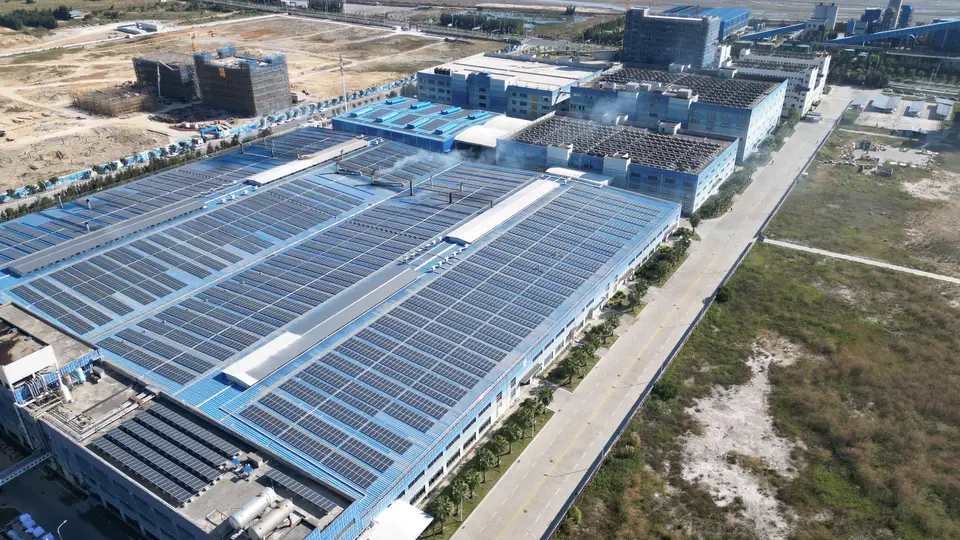
Large daytime electricity loads, big roofs or open land, and demand charges that make the utility bill a line the CFO watches.
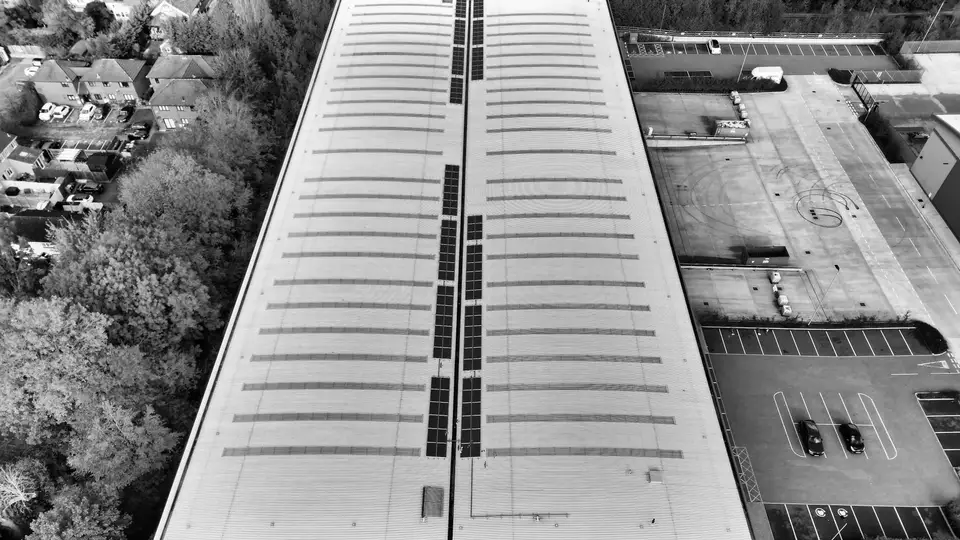
Wide flat roofs and owners or tenants looking at fleet electrification and rising energy costs.
Refrigeration runs around the clock, so energy is one of the largest operating costs and savings are easy to model.
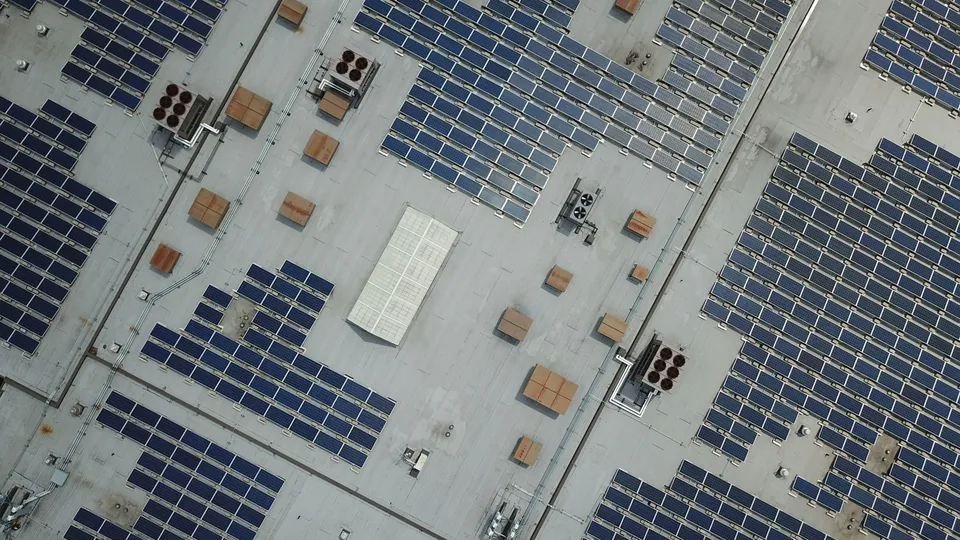
Owners with portfolios can add solar across buildings and sell power to tenants or lower common area costs.
Tax-exempt owners usually buy through power purchase agreements or direct-pay structures and procurement processes that reward early relationships.
Irrigation, processing and storage loads with land for ground-mount systems.
How to open: Ask what they pay for power each month and whether demand charges or rate increases have come up in budget meetings.
How to open: Ask how old the roof is and when it is due for replacement, since solar and reroofing should be planned together.
How to open: Ask what targets they have committed to and how they plan to show progress.
How to open: Ask how long they plan to hold the building and how energy costs are split with tenants.
A jump in the bill gets energy onto the CFO's agenda and makes a savings conversation easy to start.
When incentive rules or deadlines change, owners who were thinking about solar have a reason to decide now.
The cheapest time to add solar is when the roof is new or the building is being designed.
Suppliers to large brands are being asked to report and reduce emissions, which gives solar a sponsor in the building.
Adding chargers or equipment raises demand and often triggers a service upgrade, which opens the conversation about on-site generation and storage.
Program commitments
Program expectations and commitments are defined in your agreement. Before launch we agree on what a qualified meeting is, who we call and how results are reported.
Exclusive to your territory
One commercial solar client per territory. We will not run the same program for your direct competitor in your territory.
A U.S.-based SDR team
Your SDR works under your company's name from our St. Louis campus, home to 500+ U.S.-based team members.
Every meeting graded
Every booked meeting is graded on a 25-point scorecard before it reaches your calendar. Grade a sample call yourself.
Keep every one of them. Referrals close well, but they do not arrive on a schedule and they never reach the accounts that have not heard of you. Outbound adds a source you control, under your name, so a slow referral quarter does not turn into a slow year.
Most do not, the first time. That is why your SDR works phone, email and LinkedIn together and keeps going after the first no. In our sales center a commercial solar appointment took 161 dials on average. Meetings come from persistence and a specific reason to talk, not a clever script.
Then nobody pinned down what a meeting was. Before launch we agree on the definition with you: right company, right contact, right timing. Every meeting is graded on our 25-point 5 Star Scorecard before it reaches your calendar.
You can. Then the recruiting, training, data, dialer and management are yours, and a hire that does not work out costs months before you know it. With us the SDR, the data and the management come with the program. Program expectations and commitments are defined in your agreement.
Approved client stories, with the period each figure covers. See every energy result.
See how a Northeast solar company partnered with Abstrakt to set their first appointment on Day 1 and close a $190,000 deal in just one month.
Discover how a Midwest solar company partnered with Abstrakt to generate four proposals worth over $1.8M in just two months.
Discover how a solar and LED company partnered with Abstrakt Marketing Group, overcame sales challenges, and closed a $115K deal.
Set a monthly meeting goal and your own conversion rates. Green tags are Abstrakt history, yellow is a broader cross-industry benchmark, gray tags are your inputs. Value appears once you enter your own average.
Illustrative math from your inputs. It updates as you type.
Enter your average first-year deal value to see contract value. We do not fill in a number for you.
First-year deal value won each month
First-year deal value from 12 months of wins
How this works: appointments x dials per appointment = outreach, spread over 21 working days. Appointments x your proposal rate x win rate = wins. Wins x your value = contract value: what signed work is worth, not revenue recognized. Fractions are monthly averages. Not a forecast, a quote or a promise.
Abstrakt at a Glance answers the five questions buyers ask before they sign: how it works, what clients got, what calls sound like, what reviewers say and what it costs.
Program commitments
Program expectations and commitments are defined in your agreement. Before launch we agree on what a qualified commercial solar meeting is, who we call and how results are reported.
Exclusive to your territory
One client per trade per territory: we will not run the same program for your direct competitor in your territory.
Pricing
Outbound BDR programs: starting at $5,000 per month. See what a program includes.
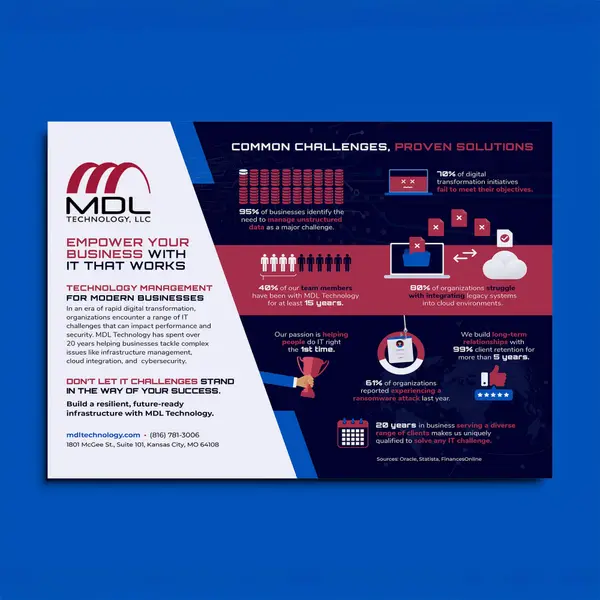
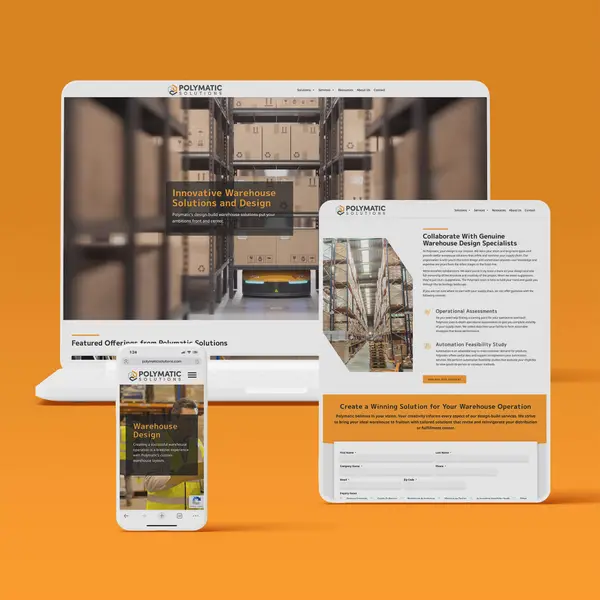
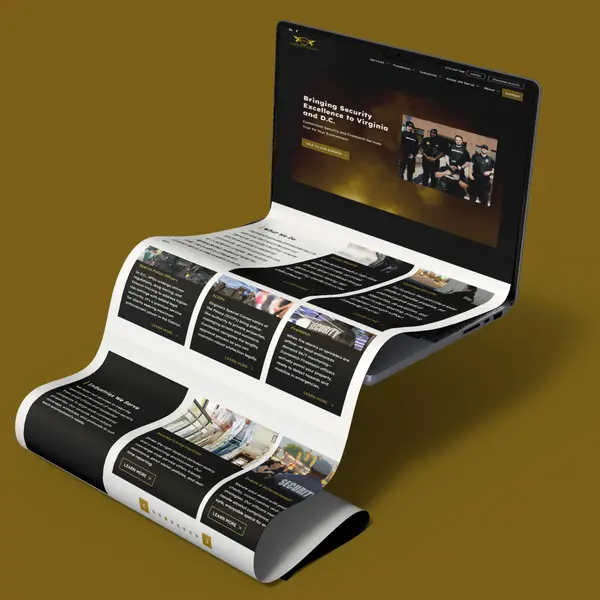
Our SDRs open the door. Our creative and inbound teams make sure what a buyer finds next, your website and the material your reps send, closes the gap.
This is the path our SDRs follow on a good call in commercial solar. Each line is tagged with its step in the ENGAGE Sales Process: a specific reason to talk, a pushback handled without arguing, the qualifying and decision questions, the differentiator, and a clear ask for the meeting. It earns every point on our 5 Star Scorecard.
Dramatized example.Written from our commercial solar talk track and voiced by AI. Names and figures are samples. This is not a recording of a real call.
No. This program is for commercial and industrial solar: rooftop, carport, ground-mount and storage projects for businesses, property owners and public entities.
Owners, CFOs and CEOs approve the financing, facility and plant managers own the site questions, and energy, sustainability and asset managers often bring the project forward.
Purchased leads are shared and RFPs are already scoped by someone else. Outbound starts conversations before a bid, so your team can shape the project and the financing.
Yes. We take one commercial solar client per territory, so a competing installer or developer will not work the same accounts through us.
Sales development is the core of what we do. Search and sales collateral support it, so the buyer hears the same story on the call, on your website and in the follow-up.
A BDR team that builds the target list for your trade and territory, runs phone, email, direct mail and LinkedIn as one campaign, and grades every meeting before you get it.
Pricing starting at $5,000 per month See Outbound BDRDedicated SDR/BDR teams for Fortune 1000 and large enterprise sales: named accounts, new markets and channel partner recruitment, backed by research from Abstrakt Intelligence.
Custom pricing See Enterprise SDR/BDRA website of up to 100 pages, local SEO and a new blog every business day, built to get you found on Google and cited in AI answers.
Packages starting at $1,000 per month See Inbound SDRSell sheets, case studies, pitch decks, trade show materials, video and direct mail that tell the same story as the call.
Packages starting at $500 per month See Brand BoostGet Outbound BDR, Inbound SDR and Brand Boost together, starting at $6,500 per month
One team runs the outbound calls, the website and search, and the sales collateral, so every touch tells the same story. Enterprise SDR/BDR is priced custom, to the size of the dedicated team.

Getting Ava ready…
AI video guide. Your voice is processed by Tavus to run this conversation; we never use your camera. Calls end after 5 minutes. Privacy
New playbooks, benchmarks and guides from our sales floor, for owners and sales leaders who sell to businesses. One email a month. See past issues.