Industry report · Material Handling
The State of Material Handling Business Development, 2026
Where new material handling business comes from right now: who buys, who signs, what makes them take the call and what a qualified first meeting looks like. Then a 6-tool kit to put it to work at your company this month.
- 6account types worth calling first
- 6people who sign or shape the decision
- 7events that open the door
- 6working tools in the kit at the back
What this guide covers, counted from our material handling talk track and industry page.
Executive summary Read this if nothing else
5 things to know about material handling business development
Call first
A fleet worth servicing
Forklifts, reach trucks and pallet jacks in meaningful numbers mean planned maintenance, parts and eventually replacements.
Who signs
Director or VP of operations
Signs for: The capital plan, throughput targets and automation decisions.
Best reason to call
A new DC, expansion or move
New space needs racking, dock equipment, trucks and a service provider.
Why deals stall
High-value systems have long, complex sales cycles
We keep the funnel full and multi-threaded so pipeline stays predictable.
From a client program
$17,000
23 Appointments in Two Months: How a Material Handling Partner Won a $17,000 Sale
Sources: Abstrakt material handling talk track and industry page; named client case study, linked in the results section.
Chapter 01 The market
Where new material handling business comes from
Equipment, automation and systems: we put your team in front of the operations and warehouse leaders investing in how they move, store, and pick product.
The work worth booking meetings for
- Equipment & forkliftsMeetings for equipment and fleet sales.
- Automation & systemsReaching buyers investing in automation.
- Racking, storage & conveyorSystems and storage project meetings.
- Service & support contractsRecurring service and support work.
The best material handling account runs a real fleet in a building it plans to stay in, works more than one shift, and is under pressure to move more product with the same people and space. That account buys service every month, rentals every peak, and equipment or systems when the capital plan allows.
Chapter 02 The buyer
Who to call, and who signs
Service and rentals are usually decided at the site by the warehouse or maintenance manager. Fleet replacements and systems projects go up to operations leadership, engineering and often procurement. Know which conversation you are having before you choose who to call.
The accounts worth calling first
- A fleet worth servicingForklifts, reach trucks and pallet jacks in meaningful numbers mean planned maintenance, parts and eventually replacements.
- Equipment with age on it, or a mixed fleetOlder units cost more to keep running. Mixed brands after an acquisition create a fleet management opportunity.
- More than one shiftEquipment runs more hours and wears faster, batteries and charging become a constraint, and every hour of downtime costs more.
- Growing throughput or running out of spaceThat is where racking, mezzanines, conveyor and automation projects come from.
- Inside your technicians’ reachService response is the product.
- Owns the building or holds a long leaseRacking, dock equipment and automation are investments occupants make when they are staying.
The people who sign
Director or VP of operations
Signs forThe capital plan, throughput targets and automation decisions.
WantsCost per unit moved, labor dependence and uptime across sites.
Gets involvedAnnual capital planning, expansions and new facilities.
A plan to move more product without adding headcount or square footage.
Warehouse or DC manager
Signs forThe daily fleet, peak rentals and often the service vendor.
WantsTrucks that run, fast response and a safe floor.
Gets involvedBreakdowns, peak planning and budget input.
Fewer trucks down during the shifts that matter.
Maintenance manager or plant engineer
Signs forService, planned maintenance and parts.
WantsRepair turnaround, parts availability and fewer repeat failures.
Gets involvedService agreement renewals and repair-versus-replace decisions.
Planned maintenance that cuts emergency repairs.
Engineering or continuous improvement lead
Signs forLayout, storage, conveyor and automation projects.
WantsPayback, integration with existing systems, and not disrupting operations during install.
Gets involvedProject scoping, which can start well before budget is approved.
A clear look at where product slows down and what fixing it is worth.
Procurement or fleet manager
Signs forLeases, national agreements and standardization across sites.
WantsTotal cost, fewer vendors and consistent terms.
Gets involvedLease expirations, RFQs and acquisitions.
One fleet program across sites, with data they can manage.
EHS manager
Signs forOperator training, pedestrian safety and incident follow-up.
WantsAvoiding injuries and audit findings.
Gets involvedAfter an incident, an audit or an insurance review.
Safer equipment and documented operator training.
Chapter 03 The timing
What opens the door
Most material handling buyers are not shopping on the day you call. These are the changes that make them start.
Expansions and fleet age open the most doors. A new or bigger building needs equipment, storage and service from day one, and an aging fleet pushes repair costs up until someone has to decide what to replace.
- A new DC, expansion or moveNew space needs racking, dock equipment, trucks and a service provider.
- Forklift lease expirationsLeased fleets turn over on fixed dates.
- Rising repair bills on older unitsWhen repairs keep climbing on the same trucks, the repair-versus-replace conversation is already happening internally.
- Peak season planningRetail, e-commerce, food and seasonal manufacturers add rentals for peak. They plan weeks ahead; calls during the peak are too late.
- Labor shortages and wage pressureWhen a site cannot hire enough people, automation and productivity projects move up the list.
- A safety incident or auditOperator training, pedestrian safety and equipment condition get attention immediately. OSHA requires powered industrial truck operators to be trained and evaluated, and an incident usually exposes gaps.
- A move to electric or lithium-ionIndoor air quality, charging infrastructure and battery changes create a fleet conversation whether or not trucks are due.
Chapter 04 The friction
Why material handling pipelines stall
Where material handling pipelines lose momentum, and what changes when they are fixed.
The problemHigh-value systems have long, complex sales cycles
What changesWe keep the funnel full and multi-threaded so pipeline stays predictable.
The problemYour engineers are selling instead of designing
What changesWe book qualified meetings so technical staff focus on solutions.
The problemReferrals and trade shows aren't enough
What changesA year-round outbound engine adds qualified operations conversations.
The problemReaching the right operations buyer is hard
What changesWe map and reach operations, engineering, and procurement owners.
How the sale closes
Material handling runs several sales cycles at once. Rentals close in days when a peak or a breakdown hits. Service agreements renew on a schedule. Equipment purchases follow the capital plan, often set a year ahead. Systems projects take longest and involve engineering, operations and finance.
That means an account that just replaced its fleet is not a dead account. It still needs service, peak rentals and parts, and its next lease end date is known. Log the fleet age, brands, lease terms, peak months and who services it today, then come back when one of those dates gets close. A qualified appointment setting program is built for exactly this kind of dated, multi-year pipeline.
Incumbent dealers are often tied to a brand, and many customers are loyal to the brand. You rarely win the whole account at once. The usual path is service on other brands, peak rentals or a racking project first, then the fleet when the lease turns over. For the big projects, get in front of the capital plan before it is submitted.
Your best salespeople are usually technical, and their time is worth more scoping solutions than cold calling. An outsourced sales development team working as an extension of yours keeps the top of the funnel moving while they work deals. To size how many meetings a revenue target actually needs, the pipeline math framework works through the arithmetic.
Chapter 05 The meeting
What a qualified material handling meeting looks like
A qualified meeting is with the person who decides the category you sell, at a site that fits your territory and fleet profile, with a date or a problem that makes the meeting worth having. Abstrakt holds every meeting to Right Company, Right Contact and Right Timing, as described on our qualified appointment page.
- Site fits. Fleet size, operation type and location match your territory and offering.
- Right decision-maker. Site manager for service and rentals; operations, engineering or procurement for capital and projects.
- Timing known. A lease end date, capital planning month, project date or upcoming peak.
- Current setup known. Dealer, brands, fleet age and whether trucks are owned or leased.
- A named need. Downtime, repair costs, capacity, labor or safety, in the prospect’s words.
- Next step agreed. A fleet assessment, site visit or project scoping session the prospect expects.
Every meeting is then graded on our 25-point 5 Star Scorecard before it reaches a client. Use the same test on your own calendar: if you could not answer each line above before the meeting, it was not qualified yet. More on what counts as a qualified appointment.
Part two Apply this
The Material Handling toolkit
6 working tools built from the chapters above. Tick the boxes as you go (they stay ticked in this browser), copy the scripts into your CRM, or save the whole guide as a PDF and print this part as a worksheet.
- 01Account scorecardScore an account before anyone dials it.
- 02Discovery question bankThe questions that qualify a meeting.
- 03Objection cheat sheetWhat they say, what it means, what to do next.
- 04Trigger watchlistThe changes that make a buyer take the call.
- 05Follow-up cadenceWhat to send after the call, and what to skip.
- 0630-day action planFour weeks of steps you can start Monday.
Tool 01
Account scorecard
Before an account goes on the call list, check every line that fits. Call the accounts with the most ticks first, and leave the ones with none for later.
Tool 02
Discovery question bank
Ask fewer, better questions. Pick three or four for the call and save the rest for the meeting. Each one comes with the reason it earns its place.
Finding the timing
One question per trigger on the watchlist. A yes is your reason to meet now.
- A new DC, expansion or move: is this happening at your company, or coming up this year?
- Forklift lease expirations: is this happening at your company, or coming up this year?
- Rising repair bills on older units: is this happening at your company, or coming up this year?
- Peak season planning: is this happening at your company, or coming up this year?
- Labor shortages and wage pressure: is this happening at your company, or coming up this year?
Any first meeting
Plain practice that works in every industry.
- How are you handling this today, and what would you change about it?The gap between today and what they want is the whole reason to meet.
- What happens if nothing changes this year?Tells you whether there is a cost to waiting, or only curiosity.
- Who else would need to agree before anything moves?Names the people who can stall the deal, while you can still invite them.
- When does the current contract or budget come up for review?Gives you the date to plan around, even when the answer today is no.
- What would make a first meeting worth your time?Lets the buyer set the agenda, which is the agenda they will show up for.
Listen for what each buyer cares about
- Director or VP of operations: Cost per unit moved, labor dependence and uptime across sites.
- Warehouse or DC manager: Trucks that run, fast response and a safe floor.
- Maintenance manager or plant engineer: Repair turnaround, parts availability and fewer repeat failures.
- Engineering or continuous improvement lead: Payback, integration with existing systems, and not disrupting operations during install.
- Procurement or fleet manager: Total cost, fewer vendors and consistent terms.
- EHS manager: Avoiding injuries and audit findings.
Tool 03
Objection cheat sheet
A first no is usually information, not a decision. Read what it tells you, then make the next move instead of arguing.
They say"We just replaced our fleet."
What it tells youThe equipment cycle is closed for now, but you just learned when it will reopen.
Next moveAsk whether the trucks are leased and for how long, and who services them. Service and rentals may still be open.
They say"We’re locked in with our dealer."
What it tells youBrand loyalty, a national agreement or a long relationship.
Next moveAsk how service response has been and what they do for peak rentals. Those are the common gaps.
They say"There’s no budget this year."
What it tells youThe capital plan is set. The timing is the useful part.
Next moveAsk when next year’s capital plan is built and offer a fleet or layout assessment before it is submitted.
They say"Automation isn’t for a place our size."
What it tells youThey are picturing a large system, not the specific bottleneck they have.
Next moveAsk where product slows down most: picking, storage density or the dock. Smaller projects often start there.
They say"Call me when something breaks."
What it tells youA reactive buyer with no planned maintenance today.
Next moveBe the number they call, and ask whether a no-cost fleet inspection would be useful before peak, if you offer one.
Tool 04
Trigger watchlist
Each of these changes gives a buyer a reason to take the call this month instead of next year. Tick the ones you will track, and set a news alert or CRM field for each so you hear about it first.
Tool 05
Follow-up cadence
Most deals are won or lost after the first meeting. Use these stages as your template: every touch carries a reason, and none of them is "just checking in".
After the first call
Send a short recap in the buyer's own words: the problem they named, who else is involved and the next step you agreed. Write it so they can forward it to the warehouse or DC manager without editing.
Skip: A brochure attachment that never mentions what they told you.
Before the meeting
Confirm the time and the attendees the day before. Ask whether the warehouse or DC manager should join the director or VP of operations. Bring one example that matches their kind of account.
Skip: Showing up with a generic deck and no questions written down.
After the meeting
Send what you promised, when you promised it, with the next step and a date on it. If a proposal is next, confirm who reads it and when they decide.
Skip: Ending on "let me know if you have questions", which leaves the next move to them.
When the answer is "not now"
Ask when the current contract, budget or plan comes up for review. Put that date in your calendar and call before it, not after.
Skip: Checking in with nothing new to say. Every touch should carry a reason.
When a trigger fires
Watch for a new DC, expansion or move, forklift lease expirations and rising repair bills on older units. Any one of them is a reason to call back with something specific to that change.
Skip: Waiting for the buyer to remember you when the change happens.
Tool 06
30-day action plan
4 weeks, 16 steps, nothing you need to buy. Tick each one off as you finish it; your progress stays in this browser.
Week 1Pick the accounts
Week 2Build the talk track
Week 3Make the calls
Week 4Follow up and measure
Appendix If you want it done for you
How a material handling program runs
Results from material handling programs
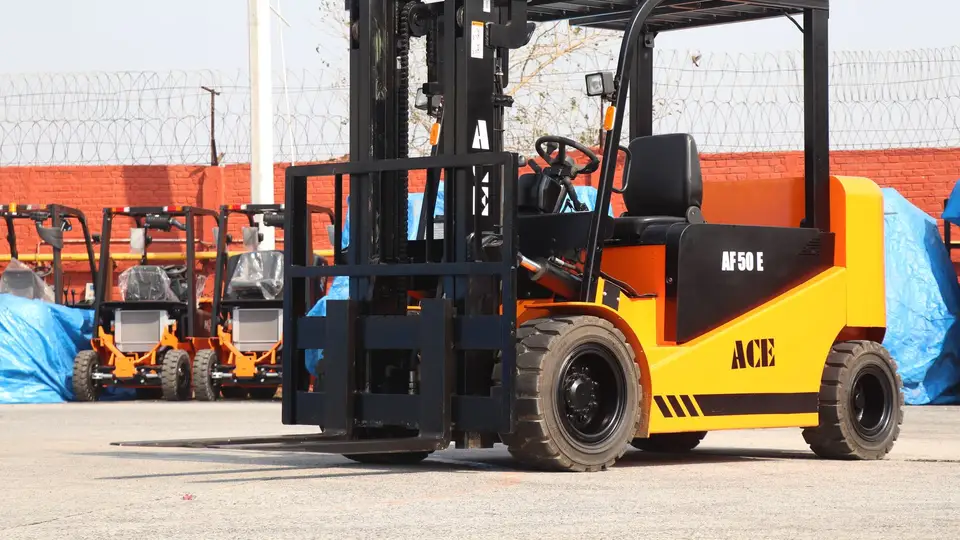
$17,000 · 23 appointments
23 Appointments in Two Months: How a Material Handling Partner Won a $17,000 Sale
Our Florida material handling partner is a leader in the industry, specializing in material handling equipment and warehouse solutions.
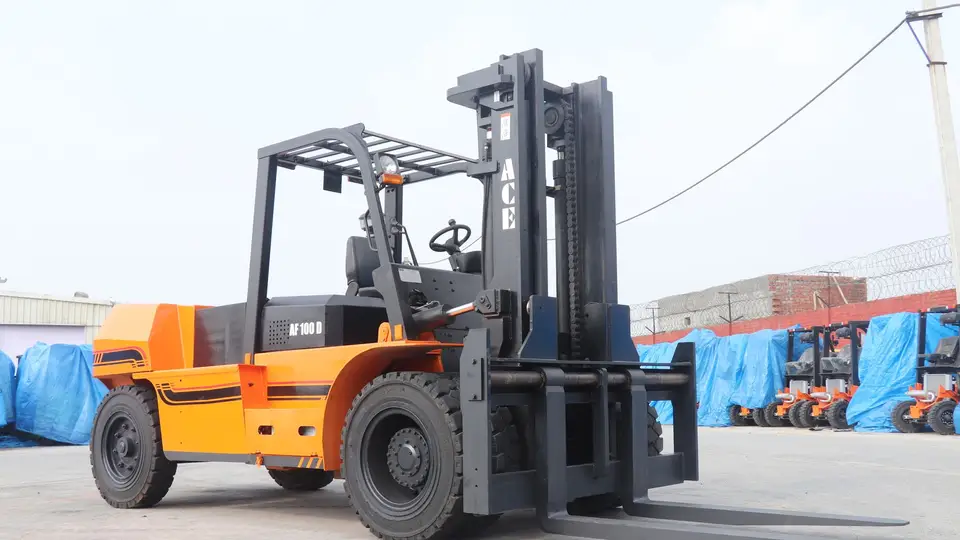
Elevating Sales for Our Material Handling Partner’s First Month
Since 2003, our Pennsylvania material handling partner has led with innovation in the forklift world.
Results from named client programs, written up in full. Results vary by program. All case studies.
Sources and notes
- Abstrakt material handling talk track, target accounts, decision-makers, triggers and qualification standards, as published on our Material Handling page.
- Case studies: named client programs, linked above.
- The toolkit's general advice (scorecard, core questions, follow-up stages and the 30-day plan) is sales practice, not data.
