- Controls
- Controls service contracts, upgrade budgets and which vendor works on the system.
How to open: Ask which buildings still run on a system only one vendor can touch and what a service call costs them in time.

Building automation is sold to people who often think they are stuck. The facilities director has a system nobody else can service, the energy manager has goals the system cannot report on, and IT wants to know what is on the network. We book meetings with those people, starting with the system they already have, so your integration and service work gets considered on its merits.
Qualified building automation meetings on your calendar, booked by U.S.-based SDRs under your name.
Ask Ava anything about the information on this page.
Abstrakt company figures as of October 2026; ratings as published on Google, Clutch and the BBB, September 2026. See client results.
Buyers who think they are locked in
Outreach explains integration and migration paths in plain terms so the buyer sees an alternative to the incumbent vendor.
Decisions spread across facilities, energy and IT
Your SDR maps each group on the account and works them separately, so the meeting includes the people who will approve the project.
Long project cycles
Nurture keeps you in front of the account through budget cycles until the upgrade or migration is funded.
Engineers and project managers are too busy to prospect
The SDR does the prospecting and follow-up so your technical team spends time on qualified meetings and proposals.
Hospitals, campuses, office portfolios, labs, public buildings and the engineers and mechanical contractors who work on them, in your service area.
A U.S.-based SDR team works phone, email and LinkedIn under your company name, opening with the system the account runs today and the problems it causes.
Every meeting has the right company, the right contact and a real timing reason, such as an end-of-support system, an energy target or a renovation.
Accounts that are not ready stay in a follow-up cadence through the capital cycle and the next renovation.
Every meeting clears three checks before it reaches you
Then it is graded on our 25-point 5 Star Scorecard. What counts as a qualified appointment.
If yours is open, a strategist can walk you through the target list, the outreach and the meeting number on one call.
Pressure relationships, temperature and humidity in clinical spaces are monitored and documented, so controls problems become compliance problems.
Campuses with a mix of controls from different decades and vendors, and a steady list of renovations that add more.
Owners want energy reporting and remote visibility across buildings, and tenant comfort complaints land on the property team.
Lab airflow, fume hoods and environmental monitoring depend on controls that cannot drift.
Energy goals, aging systems and procurement through bids and cooperative contracts.
They bring controls scopes on renovations and new construction and choose which integrator to carry or specify.
How to open: Ask which buildings still run on a system only one vendor can touch and what a service call costs them in time.
How to open: Ask whether the current system gives them the trend data they need to report on energy goals.
How to open: Ask how many points are in hand or overridden and which alarms the team has learned to ignore.
How to open: Ask which projects have controls scopes coming up and whether the spec is open or tied to one manufacturer.
When the front end or controllers are discontinued or replacement parts dry up, migration becomes a budget item instead of an idea.
Local building performance requirements and corporate energy goals need data the existing system may not provide.
New space has to tie into the existing system, which opens the conversation about who integrates and services all of it.
IT teams are looking hard at building systems on the network, and an outdated controls network is often on their list.
Controls service contracts come up on a cycle, and a frustrated facilities team will look at an open-protocol alternative before renewing.
Program commitments
Program expectations and commitments are defined in your agreement. Before launch we agree on what a qualified meeting is, who we call and how results are reported.
Exclusive to your territory
One building automation client per territory. We will not run the same program for your direct competitor in your territory.
A U.S.-based SDR team
Your SDR works under your company's name from our St. Louis campus, home to 500+ U.S.-based team members.
Every meeting graded
Every booked meeting is graded on a 25-point scorecard before it reaches your calendar. Grade a sample call yourself.
Keep every one of them. Referrals close well, but they do not arrive on a schedule and they never reach the accounts that have not heard of you. Outbound adds a source you control, under your name, so a slow referral quarter does not turn into a slow year.
Most do not, the first time. That is why your SDR works phone, email and LinkedIn together and keeps going after the first no. Meetings come from persistence and a specific reason to talk, not a clever script.
Then nobody pinned down what a meeting was. Before launch we agree on the definition with you: right company, right contact, right timing. Every meeting is graded on our 25-point 5 Star Scorecard before it reaches your calendar.
You can. Then the recruiting, training, data, dialer and management are yours, and a hire that does not work out costs months before you know it. With us the SDR, the data and the management come with the program. Program expectations and commitments are defined in your agreement.
We publish a client result after the client approves it and the figure has a period. There is no approved building automation story yet, so we are not showing one. The Success library has approved stories from other industries, and a strategist can introduce you to a current client on request.
Set a monthly meeting goal and your own conversion rates. Green tags are Abstrakt history, yellow is a broader cross-industry benchmark, gray tags are your inputs. Value appears once you enter your own average.
Illustrative math from your inputs. It updates as you type.
Enter your average first-year deal value to see contract value. We do not fill in a number for you.
First-year deal value won each month
First-year deal value from 12 months of wins
How this works: appointments x dials per appointment = outreach, spread over 21 working days. Appointments x your proposal rate x win rate = wins. Wins x your value = contract value: what signed work is worth, not revenue recognized. Fractions are monthly averages. Not a forecast, a quote or a promise.
Abstrakt at a Glance answers the five questions buyers ask before they sign: how it works, what clients got, what calls sound like, what reviewers say and what it costs.
Program commitments
Program expectations and commitments are defined in your agreement. Before launch we agree on what a qualified building automation meeting is, who we call and how results are reported.
Exclusive to your territory
One client per trade per territory: we will not run the same program for your direct competitor in your territory.
Pricing
Outbound BDR programs: starting at $5,000 per month. See what a program includes.
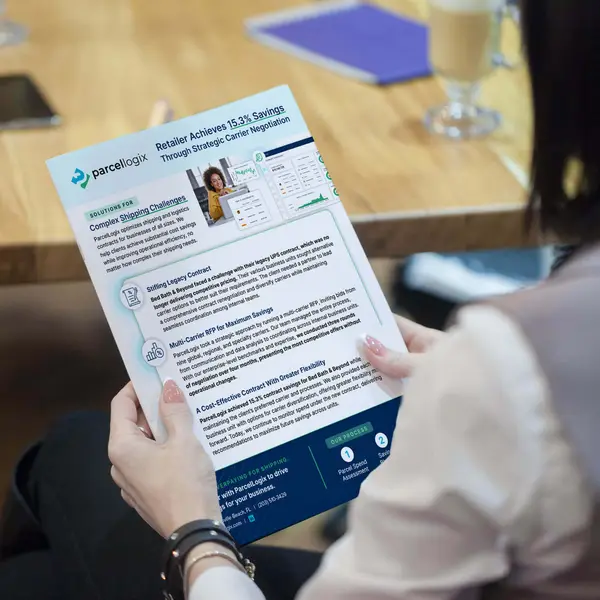
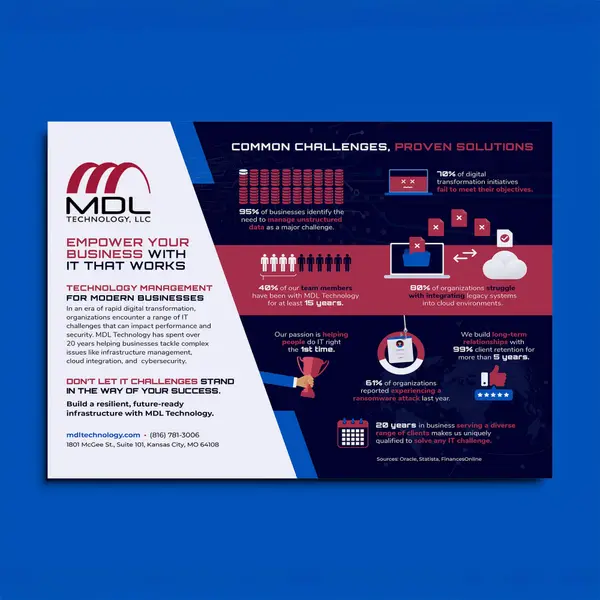
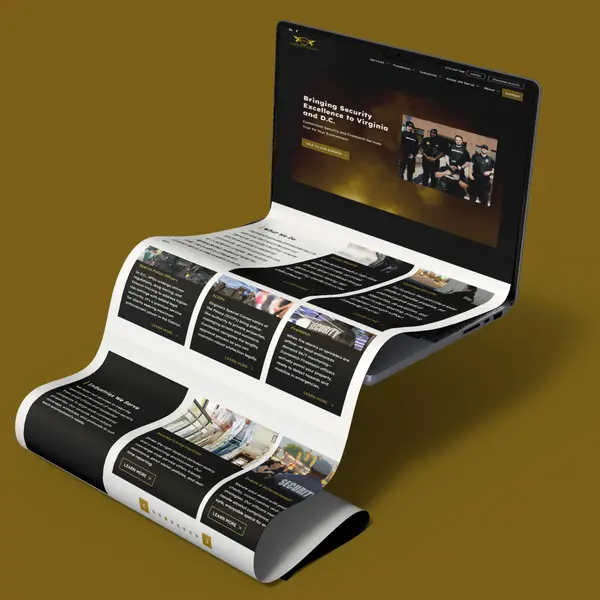
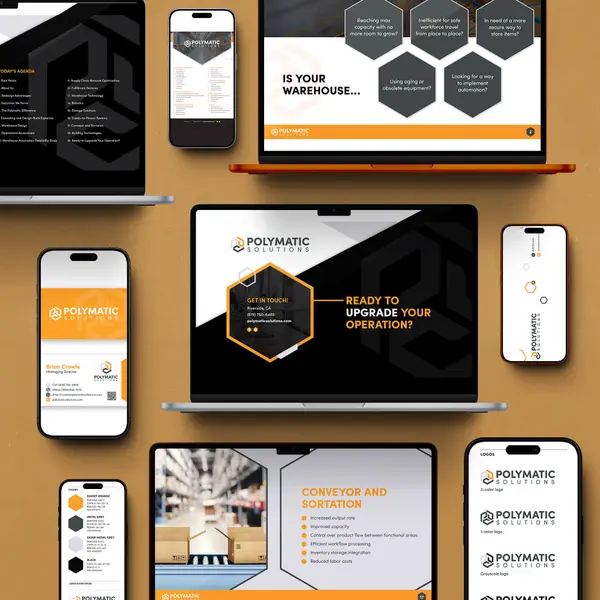
Our SDRs open the door. Our creative and inbound teams make sure what a buyer finds next, your website and the material your reps send, closes the gap.
This is the path our SDRs follow on a good call in building automation. Each line is tagged with its step in the ENGAGE Sales Process: a specific reason to talk, a pushback handled without arguing, the qualifying and decision questions, the differentiator, and a clear ask for the meeting. It earns every point on our 5 Star Scorecard.
Dramatized example.Written from our building automation talk track and voiced by AI. Names and figures are samples. This is not a recording of a real call.
Controls service agreements, legacy system migrations, integration of mixed systems, energy and analytics projects, renovation and new construction controls scopes, and ongoing support contracts.
Facilities and plant operations directors, energy and sustainability managers, chief engineers and controls leads, and the consulting engineers and mechanical contractors who carry controls scopes.
The SDR does not design systems. They are trained on your offer and on the questions that qualify an account, like system age, vendor lock and upcoming projects, then hand the technical conversation to your team.
No. We take one building automation client per territory, so your territory and your outreach stay yours.
Sales development is the core of what we do. Search and sales collateral support it, so the buyer hears the same story on the call, on your website and in the follow-up.
A BDR team that builds the target list for your trade and territory, runs phone, email, direct mail and LinkedIn as one campaign, and grades every meeting before you get it.
Pricing starting at $5,000 per month See Outbound BDRDedicated SDR/BDR teams for Fortune 1000 and large enterprise sales: named accounts, new markets and channel partner recruitment, backed by research from Abstrakt Intelligence.
Custom pricing See Enterprise SDR/BDRA website of up to 100 pages, local SEO and a new blog every business day, built to get you found on Google and cited in AI answers.
Packages starting at $1,000 per month See Inbound SDRSell sheets, case studies, pitch decks, trade show materials and video that tell the same story as the call.
Packages starting at $500 per month See Brand BoostGet Outbound BDR, Inbound SDR and Brand Boost together, starting at $6,500 per month
One team runs the outbound calls, the website and search, and the sales collateral, so every touch tells the same story. Enterprise SDR/BDR is priced custom, to the size of the dedicated team.

Getting Ava ready…
AI video guide. Your voice is processed by Tavus to run this conversation; we never use your camera. Calls end after 5 minutes. Privacy
New playbooks, benchmarks and guides from our sales floor, for owners and sales leaders who sell to businesses. One email a month. See past issues.