- Controls
- Which fence subs get the bid invitation and whose number goes into the package.
How to open: Ask which site jobs they are pricing next and how many fence quotes they usually collect.

Commercial fence work gets decided in two places: a general contractor's site package or an owner's budget after a break-in. Both happen before anyone searches for a fence company. We book meetings with the estimators, plant managers, property managers and public buyers who make those calls, so your number is already in front of them when the scope goes out.
Qualified fencing meetings on your calendar, booked by U.S.-based SDRs under your name.
Ask Ava anything about the information on this page.
Abstrakt company figures as of October 2026; ratings as published on Google, Clutch and the BBB, September 2026. See client results.
Bid lists you are not on
Your SDR works GC estimators and public purchasing contacts ahead of bid day, so you get the invitation instead of hearing about the award.
Revenue tied to construction starts
Direct outreach to owners and property managers builds repair, replacement and gate service work that does not depend on a GC.
Owners who only think about fence after a problem
Regular follow-up keeps your name in front of facility and property managers so you are the first call when something gets hit or stolen.
Gate and access work that never gets sold
Where you offer gate operators and access control, the SDR leads with service on them, which brings repeat visits to sites you already fenced.
GCs, industrial sites, schools, municipalities and property managers in your service area, sorted by the fence and gate work you want more of.
A U.S.-based SDR team works phone, email and LinkedIn under your company name, opening with security, gates and bid timing instead of a generic pitch.
Every meeting has the right company, the right contact and a real timing reason, such as an upcoming bid, a recent incident or a budgeted project.
Accounts that are not ready stay in a follow-up cadence through budget season and the next round of site work.
Every meeting clears three checks before it reaches you
Then it is graded on our 25-point 5 Star Scorecard. What counts as a qualified appointment.
If yours is open, a strategist can walk you through the target list, the outreach and the meeting number on one call.
Permanent and temporary construction fencing shows up in almost every site package. Estimators keep a short list of fence subs who price quickly and show up when the schedule says.
Perimeter security, slide gates for truck traffic and yard separation. Theft and insurance pressure push these owners toward taller fence, better gates and access control.
Backstops, field and court enclosures and campus perimeters. The work is budgeted ahead and usually installed in summer when the grounds are empty.
Water plants, substations and public works yards need security fencing and gates, bought through bid lists and cooperative contracts.
Retail centers, office parks and apartment communities replace damaged sections, add dumpster enclosures and gate parking areas, often across a whole portfolio.
Perimeter and amenity fencing replaced in long runs, approved by a board and handled through the management company.
How to open: Ask which site jobs they are pricing next and how many fence quotes they usually collect.
How to open: Ask when a gate last failed to open for a truck and how long it stayed down.
How to open: Ask who they call when a car takes out a section of fence and how long the repair took.
How to open: Ask when summer projects get scoped and how a contractor gets on the bid list.
A security incident turns a perimeter upgrade into an easy approval. Owners want taller fence, stronger gates and access control quickly.
Ground-up projects and added laydown or parking areas put both temporary and permanent fence into the site scope.
A gate that will not open stops deliveries and staff. The service call is often how you get the replacement and a maintenance agreement.
Carriers and regulators can require secured perimeters around equipment, pools, utilities or hazardous storage, and the owner needs it closed out.
Districts and park departments decide summer installs months ahead, so the conversation has to happen before the budget is set.
Program commitments
Program expectations and commitments are defined in your agreement. Before launch we agree on what a qualified meeting is, who we call and how results are reported.
Exclusive to your territory
One fencing client per territory. We will not run the same program for your direct competitor in your territory.
A U.S.-based SDR team
Your SDR works under your company's name from our St. Louis campus, home to 500+ U.S.-based team members.
Every meeting graded
Every booked meeting is graded on a 25-point scorecard before it reaches your calendar. Grade a sample call yourself.
Keep every one of them. Referrals close well, but they do not arrive on a schedule and they never reach the accounts that have not heard of you. Outbound adds a source you control, under your name, so a slow referral quarter does not turn into a slow year.
Most do not, the first time. That is why your SDR works phone, email and LinkedIn together and keeps going after the first no. Meetings come from persistence and a specific reason to talk, not a clever script.
Then nobody pinned down what a meeting was. Before launch we agree on the definition with you: right company, right contact, right timing. Every meeting is graded on our 25-point 5 Star Scorecard before it reaches your calendar.
You can. Then the recruiting, training, data, dialer and management are yours, and a hire that does not work out costs months before you know it. With us the SDR, the data and the management come with the program. Program expectations and commitments are defined in your agreement.
We publish a client result after the client approves it and the figure has a period. There is no approved fencing story yet, so we are not showing one. The Success library has approved stories from other industries, and a strategist can introduce you to a current client on request.
Set a monthly meeting goal and your own conversion rates. Green tags are Abstrakt history, yellow is a broader cross-industry benchmark, gray tags are your inputs. Value appears once you enter your own average.
Illustrative math from your inputs. It updates as you type.
Enter your average first-year deal value to see contract value. We do not fill in a number for you.
First-year deal value won each month
First-year deal value from 12 months of wins
How this works: appointments x dials per appointment = outreach, spread over 21 working days. Appointments x your proposal rate x win rate = wins. Wins x your value = contract value: what signed work is worth, not revenue recognized. Fractions are monthly averages. Not a forecast, a quote or a promise.
Abstrakt at a Glance answers the five questions buyers ask before they sign: how it works, what clients got, what calls sound like, what reviewers say and what it costs.
Program commitments
Program expectations and commitments are defined in your agreement. Before launch we agree on what a qualified fencing meeting is, who we call and how results are reported.
Exclusive to your territory
One client per trade per territory: we will not run the same program for your direct competitor in your territory.
Pricing
Outbound BDR programs: starting at $5,000 per month. See what a program includes.
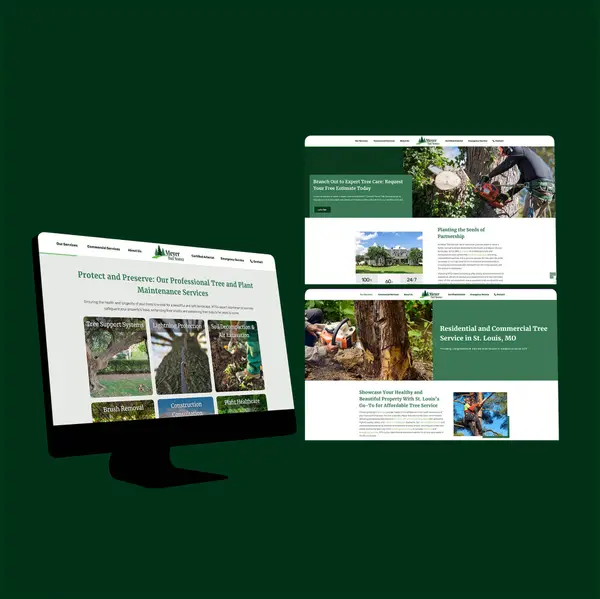
Our SDRs open the door. Our creative and inbound teams make sure what a buyer finds next, your website and the material your reps send, closes the gap.
This is the path our SDRs follow on a good call in commercial fencing. Each line is tagged with its step in the ENGAGE Sales Process: a specific reason to talk, a pushback handled without arguing, the qualifying and decision questions, the differentiator, and a clear ask for the meeting. It earns every point on our 5 Star Scorecard.
Dramatized example.Written from our commercial fencing talk track and voiced by AI. Names and figures are samples. This is not a recording of a real call.
Perimeter and security fencing, chain link, ornamental steel, athletic enclosures, temporary construction fence, automated gates and access control, plus repair and replacement of damaged sections.
Both. GCs bring site package work, while owners and property managers bring repairs, replacements and gate service. We split the effort based on where you want volume and where you want margin.
Yes. The SDR finds who manages bid lists and summer projects at districts, park departments and public works, and books meetings before the formal bid posts so you are known when it does.
No. We take one commercial fencing client per territory, so your territory and your outreach stay yours.
Individually powerful. Better together. Our four solutions work together to find your buyers, book meetings with them and help your team close more of them.
All three together: Get Outbound BDR, Inbound SDR and Brand Boost together, starting at $6,500 per month ($5,000 + $1,000 + $500 = $6,500). Enterprise SDR/BDR is custom.Build my program

Getting Ava ready…
AI video guide. Your voice is processed by Tavus to run this conversation; we never use your camera. Calls end after 5 minutes. Privacy
New playbooks, benchmarks and guides from our sales floor, for owners and sales leaders who sell to businesses. One email a month. See past issues.