
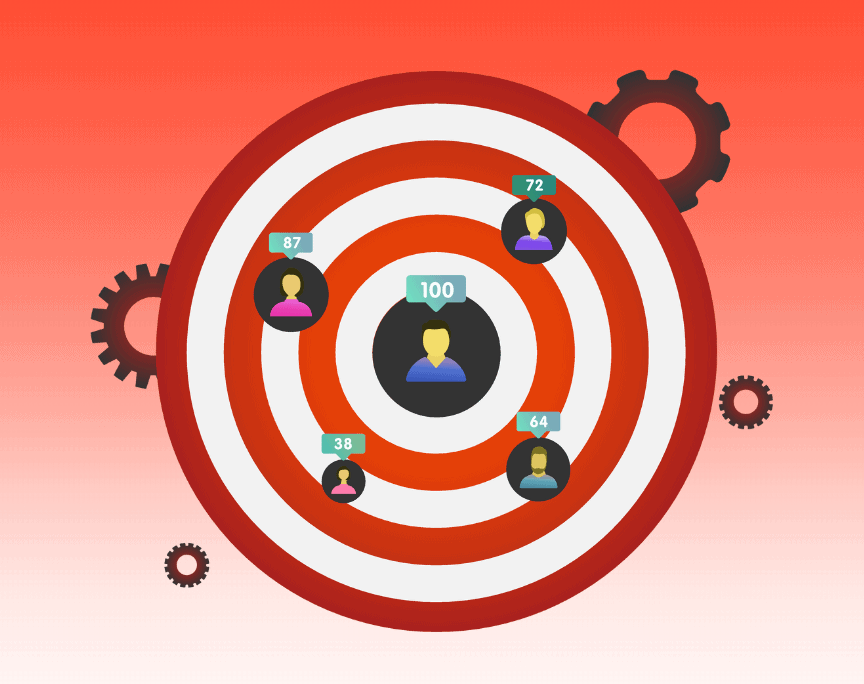
Lead scoring is a systematic approach to ranking prospects against a scale that represents the potential value each lead holds for your business. By assigning numerical values based on specific behaviors, demographics, and engagement, businesses can identify which prospects are most likely to convert into paying customers.
This method allows sales and marketing teams to prioritize leads strategically, ensuring that their time and resources are spent where they’ll deliver the greatest impact. In a business world where time truly is money, understanding what lead scoring is (and implementing it effectively) can dramatically improve conversion rates and overall sales efficiency.
Simply put, lead scoring helps you separate curiosity from genuine interest. It empowers your team to focus on opportunities that are ready to buy, not just browse.
Contents
The Importance of Lead Scoring
Lead scoring is more than a marketing buzzword; it’s a cornerstone of a high-performing sales strategy. Implementing a clear, data-driven lead scoring system allows businesses to streamline their sales process, improve pipeline accuracy, and ultimately enhance their return on investment (ROI).
B2B companies that leverage predictive lead scoring see a remarkable 77% increase in lead generation ROI compared to those that do not.
Without a defined scoring framework, sales teams waste valuable hours chasing unqualified leads. With it, they can confidently prioritize prospects most likely to convert, increasing productivity and profitability across the board.
Lead scoring bridges the gap between marketing and sales, ensuring both teams share a common definition of what makes a lead “sales-ready.” This alignment reduces friction, speeds up handoffs, and drives measurable growth.
Understanding the Basics
At its core, lead scoring assigns numerical values to leads based on various attributes and behaviors. These can include demographic information, engagement levels, and specific interactions with your brand.
The higher a lead’s score, the more likely they are to convert into a customer.
For example:
-
A prospect who downloads a whitepaper, attends a webinar, and requests a quote would earn a higher score than someone who only opens a single email.
-
A lead that matches your target buyer persona (such as a decision-maker in your ideal industry) will score higher than one outside that profile.
Lead scoring transforms raw data into actionable insight, helping teams make smarter, faster, and more confident sales decisions.
Key Metrics in Lead Scoring
An effective lead scoring model evaluates both who the lead is and how they behave.
Demographic Information: Details like age, location, job title, and company size help determine if the lead fits your target audience.
Behavioral Data: Actions such as website visits, email opens, content downloads, and social media engagement reveal how interested a lead is in your brand.
Engagement Levels: The frequency and depth of interactions with your brand indicate a lead’s readiness to take the next step in the buyer journey.
Pro Tip: The most successful B2B organizations don’t rely on guesswork; they build their lead scoring systems using real data and feedback from both sales and marketing performance.
How Lead Scoring Works
Implementing a lead scoring system involves several deliberate steps designed to align marketing and sales goals. It starts with defining what a qualified lead looks like for your business, a process that requires strong collaboration and communication between both teams.
Defining Your Ideal Customer Profile
Before you can effectively score leads, you must identify who your ideal customer is. This begins with analyzing your current customer base to find shared traits among your highest-value clients.
Factors to consider include:
-
Industry and market segment
-
Company size or annual revenue
-
Geographic location or service area
-
Decision-making authority or job role
By mapping these attributes, your business creates a clear blueprint for what “qualified” looks like, the foundation of an effective lead scoring model.
Assigning Scores
Once you’ve defined your ideal customer profile, assign scores based on key behaviors and demographics.
For example:
-
Leads who request a demo or download multiple resources may receive +15 points.
-
Leads from target industries or job roles might score +10 points.
-
Inactive or unresponsive leads could lose points over time.
Over time, performance data will help you refine your scoring thresholds, improving accuracy and efficiency. The result? A powerful, predictive model that prioritizes high-value leads and filters out the noise.
Benefits of Lead Scoring
Implementing a lead scoring system offers a range of benefits that can transform how your sales and marketing teams operate.
Improved Sales Efficiency
By focusing on high-scoring leads, your sales team can maximize their productivity and conversion rates. Instead of wasting time on unqualified contacts, they can dedicate attention to leads most likely to buy, resulting in faster deal cycles and higher close rates.
Lead scoring also helps sales teams tailor their outreach. Knowing where a lead is in the funnel allows for more personalized, relevant, and timely communication that moves the relationship forward.
Enhanced Marketing Strategies
Lead scoring delivers valuable insights into which marketing channels, campaigns, and content pieces drive the most qualified traffic.
By analyzing patterns among your highest-scoring leads, marketers can refine their messaging, adjust targeting, and attract more of the right audience.
In fact, 68% of marketers say lead scoring based on content and behavioral data directly increases revenue.
Lead scoring doesn’t just help you close more deals — it helps you attract better leads from the start.
Challenges in Lead Scoring
While lead scoring can significantly enhance your sales process, it’s not without its challenges.
Overcomplicating the Scoring System
It’s easy to get carried away with too many variables in your scoring model. However, complexity can lead to confusion and poor adoption across teams.
Keep your scoring model simple, transparent, and focused on the metrics that matter most, such as engagement, decision-making authority, and fit.
Neglecting Follow-Up
Even the best lead scoring system won’t work without consistent follow-up. Research shows that 70% of potential leads are lost due to poor or delayed follow-up.
Make sure your team has a clear process for engaging with high-scoring leads quickly and effectively. Whether through automated workflows or direct outreach, timely communication is key to conversion.
The Future of Lead Scoring
The future of lead scoring is being shaped by AI, machine learning, and automation. These technologies are redefining how businesses identify, nurture, and convert leads, turning lead scoring into a predictive, intelligent system.
AI-powered scoring models analyze patterns across massive data sets, identifying subtle trends that humans might miss. They can predict a lead’s likelihood to convert, prioritize sales outreach, and even recommend next-best actions.
Emerging Trends
As we look ahead, several trends are transforming the lead scoring landscape:
-
Predictive Analytics: Businesses are using predictive models to forecast buying behavior and refine lead qualification.
-
Conversational AI: Tools like chatbots and AI assistants are automating early-stage interactions — Gartner predicts that conversational AI will handle 60% of B2B sales tasks by 2028.
-
Real-Time Scoring: Integrated CRMs now allow for dynamic, real-time updates to lead scores as new data comes in.
These innovations make lead scoring faster, smarter, and more accurate, allowing businesses to respond instantly when a lead shows intent.
Conclusion
Lead scoring is more than a tactic; it’s a strategic framework for prioritizing leads, improving conversions, and driving predictable growth.
By understanding and implementing an effective lead scoring system, businesses can ensure that every sales conversation counts, every marketing effort aligns, and every opportunity is maximized.
As technology continues to evolve, the companies that embrace data-driven lead management will be the ones that consistently outperform their competitors.
Start Prioritizing Your Leads with Abstrakt
Ready to transform your lead management and boost your sales performance?
Abstrakt empowers B2B organizations with advanced lead generation and scoring strategies that turn data into revenue.
From custom CRM integration to predictive analytics, our experts design systems that identify your best opportunities and move them through the funnel efficiently.
Don’t let valuable prospects slip away. Partner with Abstrakt to turn your pipeline into predictable growth.

Madison Hendrix
Madison has worked in SEO and content writing at Abstrakt for over 5 years and has become a certified lead generation expert through her hours upon hours of research to identify the best possible strategies for companies to grow within our niche industry target audiences. An early adopter of AIO (A.I. Optimization) with many organic search accolades - she brings a unique level of expertise to Abstrakt providing helpful info to all of our core audiences.

Jeff Winters
Jeff Winters is the Chief Revenue Officer (CRO) of Abstrakt and former CEO of Sapper Consulting, acquired by Abstrakt in 2021. A seasoned entrepreneur, Jeff founded Sapper in 2013 and led it to a successful acquisition. With expertise in sales and revenue growth, he drives strategies that deliver results. As co-host of The Grow Show, Jeff shares practical insights and real stories from experienced leaders to help entrepreneurs grow. Tune in weekly on Spotify, Apple Podcasts, and more!