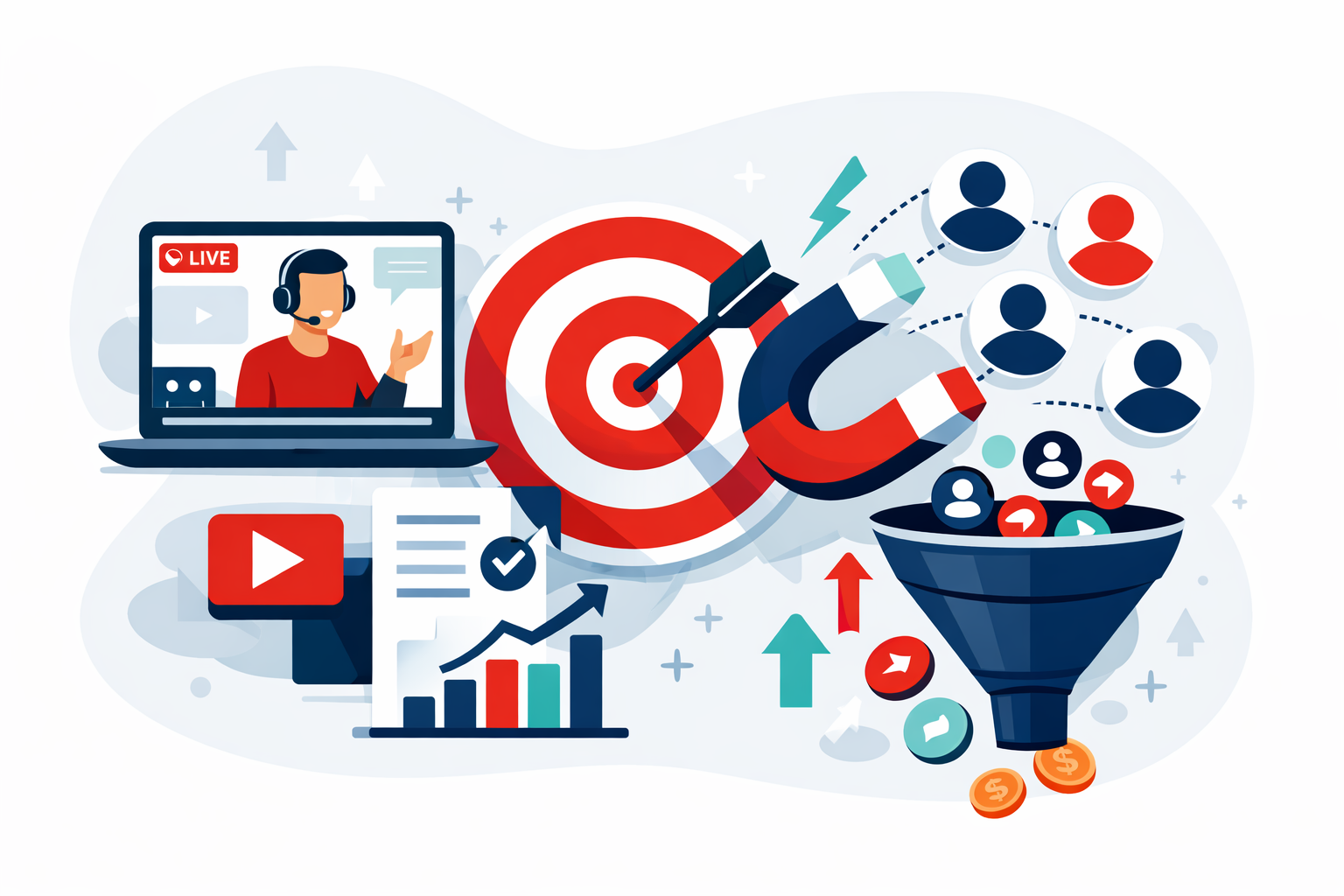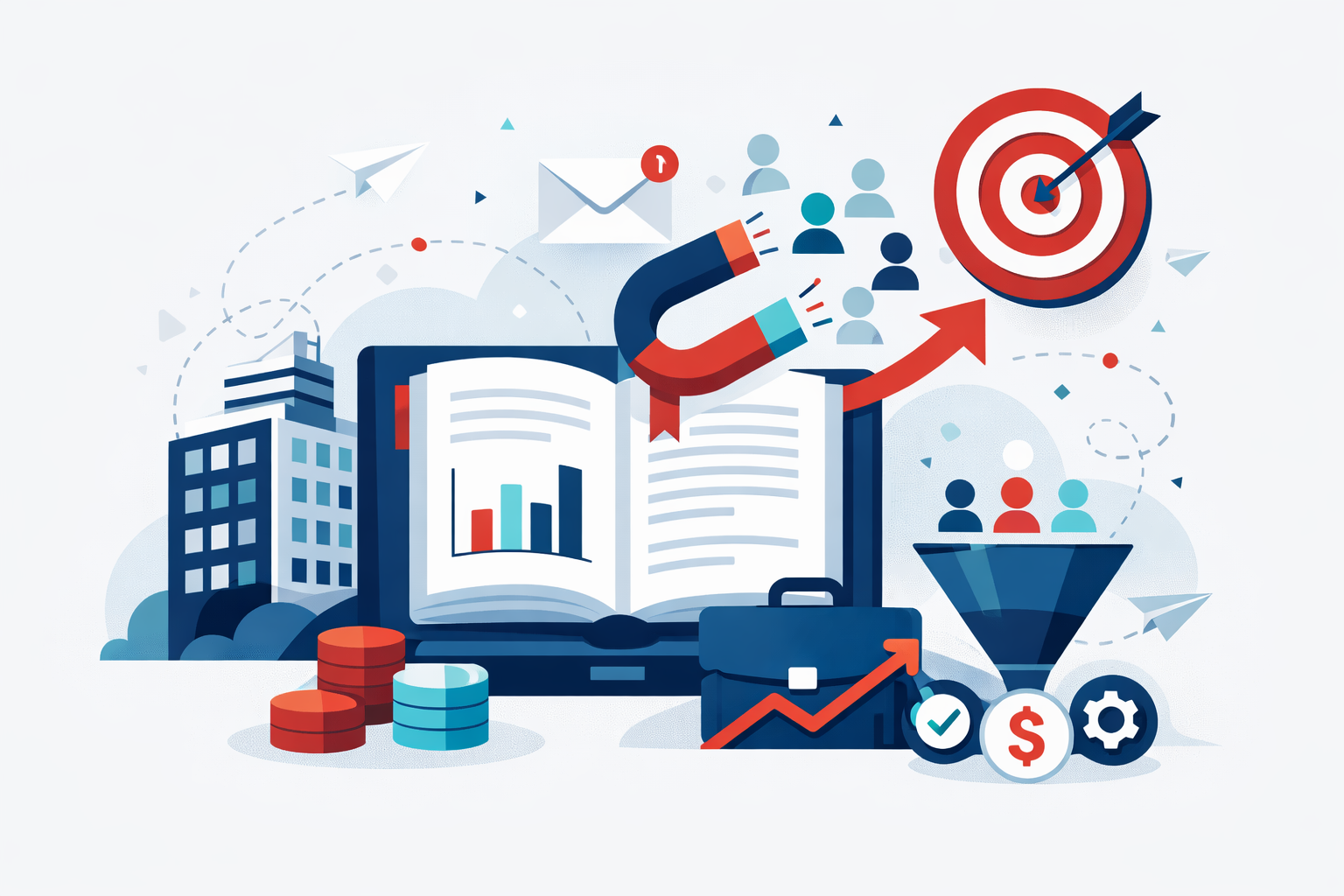

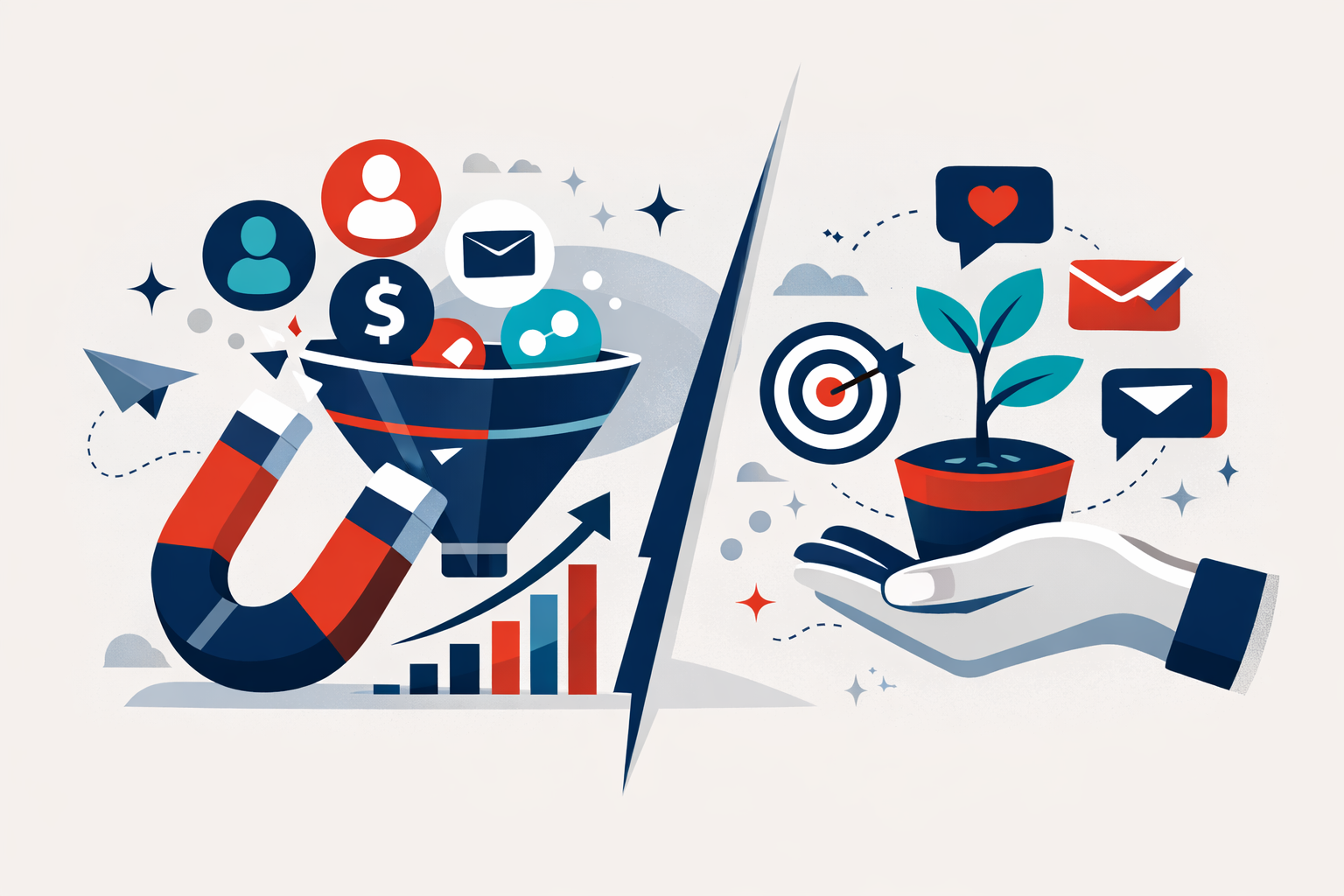
Understanding the subtle differences and critical overlaps between lead generation and lead nurturing can be a game-changer for any business. Success in today’s marketplace hinges on driving inbound interest while simultaneously cultivating the prospects who eventually convert. This article dives into these essential disciplines, providing actionable insights, detailed breakdowns, and strategic best practices that illuminate the path to both generating and nurturing leads effectively.
Discover how aligning these processes can yield measurable improvements in sales, reduce costs, and ultimately build a robust sales pipeline. Read on to learn specifics on how to implement these strategies in your workflow, supported with real-world statistics and practical advice.
Contents
- 1 Understanding Lead Generation
- 2 Differentiating Lead Generation and Lead Nurturing
- 3 The Importance of Lead Nurturing
- 4 Bridging Lead Generation and Lead Nurturing
- 5 Measuring the Success of Your Combined Strategy
- 6 Future Trends in Lead Generation and Nurturing
- 7 Building a Culture that Supports Both Strategies
- 8 Real-World Examples and Case Studies
- 9 Practical Step-by-Step Guide to Implementing an Integrated Lead Strategy
- 10 Conclusion: The Power of Combining Lead Generation and Nurturing
- 11 Additional Resources
- 12 Embracing Change in a Dynamic Marketplace
- 13 Final Word
Understanding Lead Generation
Lead generation stands as the initial step in crafting a successful sales funnel. It is about capturing potential customer interest through targeted marketing and proactive outreach. Generating a high volume of leads is essential, but without proper follow-up, even the best efforts can fall short.
This part of the process typically focuses on reaching out to new prospects through various channels including digital ads, organic search strategies, and referrals.
The Fundamentals of Lead Generation
At its core, lead generation involves attracting potential customers, gathering essential contact data, and segmenting audiences into tailor-made groups. This approach not only broadens your market reach but also sets the stage for further qualification.
Strategies often include search engine optimization (SEO), pay-per-click (PPC) advertising, content marketing, and social media campaigns. These techniques are designed to capture attention quickly, driving traffic to landing pages where contact information is exchanged for valuable offers such as e-books, webinars, or free consultations.
Key Techniques in Lead Generation
Modern lead generation harnesses technology and data-driven insights to identify and capture potential interest. Tactics include:
- Search Engine Marketing (SEM): Utilizing paid search platforms to appear in targeted searches.
- Content Marketing: Creating compelling content that addresses customer pain points.
- Social Media Campaigns: Leveraging platforms like LinkedIn, Facebook, and Twitter to engage users.
- Email Marketing: Designing automated campaigns that attract subscribers.
A thoughtful combination of these tactics ensures that a steady stream of prospects fills the top of the funnel.
Metrics That Matter
When it comes to lead generation, measuring success is essential. Key performance indicators (KPIs) such as website traffic, cost per lead (CPL), and the number of new leads collected provide clarity on campaign performance. For example, statistics show that companies engaging in structured lead nurturing generate 50% more sales-ready leads at 33% lower costs.
These figures emphasize the need for not just generating leads, but ensuring they are both quantitatively and qualitatively primed for subsequent nurturing efforts.
Differentiating Lead Generation and Lead Nurturing
While lead generation is about attracting prospects, lead nurturing focuses on converting them by building ongoing relationships. Both functions are interdependent but require different approaches and tools.

This distinction is vital for sales teams. Without a clear definition of both stages, there is a risk of missing out on potential sales or misallocating resources.
What Sets Them Apart?
Lead generation is primarily a marketing function focused on awareness and initial contact. In contrast, lead nurturing bridges the gap between awareness and conversion by continually engaging prospects until they are ready to make a purchase.
For example, companies that nurture their leads make 47% larger purchases compared to those that miss the nurturing phase. This data suggests that nurturing not only seals deals quicker but also results in higher-value transactions.
The Overlap in Strategy
Despite their differences, both processes require robust data analysis and an in-depth understanding of customer behavior. Together, they create a continuum that leads prospects through the decision-making journey.
Effective marketing strategies integrate lead generation and nurturing by creating content that initially attracts and later deepens the relationship with the audience. This integration ensures that the sales pipeline remains healthy and vibrant.
Common Pitfalls and How to Avoid Them
A common mistake many companies make is treating lead generation and nurturing as standalone processes. This siloed approach can lead to a breakdown in communication between marketing and sales teams.
Another frequent issue is the failure to follow up immediately. Research shows that companies that respond to leads within 5 minutes are 9 times more likely to convert them into customers. Prompt follow-up is crucial to capitalize on the initial interest.
The Importance of Lead Nurturing
While lead generation fills the top of your funnel, lead nurturing refines the process, ensuring that prospects are engaged, educated, and gradually moved toward conversion. The nurturing process is as critical as generating new contacts, if not more so.
In a competitive market where 80% of new leads never become customers due to a lack of nurturing (Marketing LTB), it is imperative to invest in communication that builds long-term relationships.
What Is Lead Nurturing?
Lead nurturing involves a series of targeted communications designed to move prospects from the early stages of awareness to eventual purchase. It includes sending personalized emails, educational content, and continuous follow-ups to maintain a consistent relationship with potential buyers.
This process goes beyond sending generic messages. Instead, it targets the specific needs and behaviors of individual leads, resulting in a more engaged audience and a stronger likelihood of conversion.
Best Practices in Lead Nurturing
An effective lead nurturing strategy hinges on personalization and consistency. Here are some of the best practices:
-
Segmentation:
Group leads based on specific criteria such as behavior, interest, and demographic data. This segmentation allows for messaging that is both relevant and timely.
-
Timely Follow-Up:
Speed is essential. Studies indicate immediate follow-up can dramatically increase conversion rates. Establish an efficient system that prioritizes quick responses.
-
Value-Driven Content:
Share content that educates and informs your prospects. Tailor messages to address pain points and offer solutions, which builds trust and positions your brand as a reliable resource.
-
Multichannel Approach:
Integrate email, social media, webinars, and even SMS communication. A varied approach keeps engagement high and ensures your message reaches the audience through multiple touchpoints.
-
Automation Tools:
Leverage CRM solutions to automate follow-ups, track engagement, and adjust strategies based on real-time data. Automation ensures that no lead is left unattended.
When done right, these practices lead to warmer, more sales-ready leads. In fact, 73% of marketers acknowledge that lead nurturing is invaluable in generating leads that are more prepared to make a purchase.
Integrating Automated Workflows
Automation has transformed how businesses manage lead nurturing. Automated workflows ensure that every lead receives a customized journey, even when the volume is high. Tools such as CRM systems can automatically score and segment leads, sending them down personalized paths.
This technology minimizes the risk of leads falling through the cracks and empowers your sales team to focus on conversations that matter, rather than manual data management.
Personalization at Scale
Personalized outreach is more than just inserting a name in a template. It is about tailoring content based on a lead’s previous interactions, website behavior, and overall interests. This way, every communication feels relevant and timely.
This approach is especially effective in industries where customer decision-making is complex and requires sustained engagement to build trust and drive the best results.
Bridging Lead Generation and Lead Nurturing
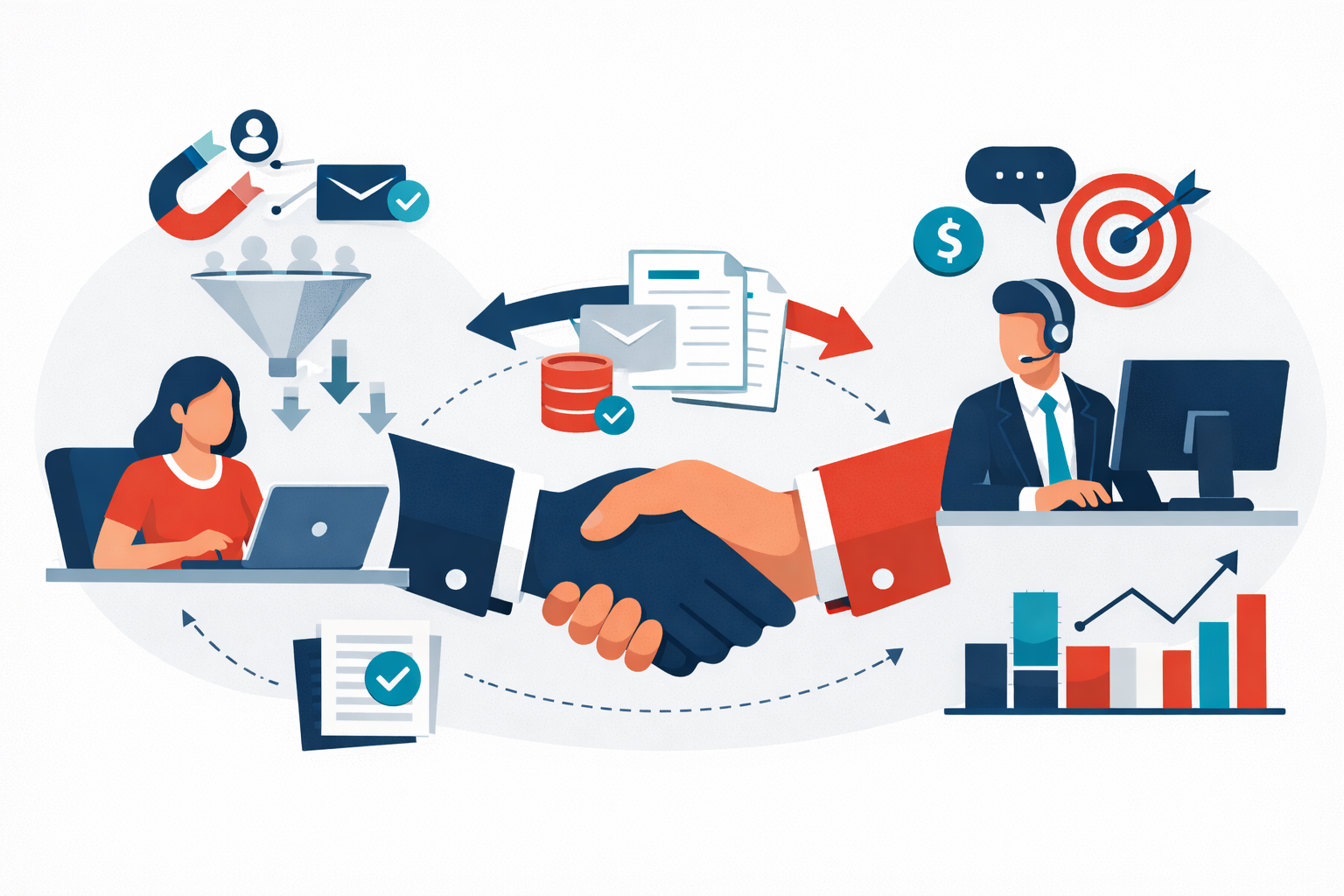
The true strength of a sales strategy emerges when lead generation and lead nurturing are seamlessly integrated. While generating new leads lays the groundwork, nurturing them ensures sustainable growth by converting interest into sales.

By aligning marketing strategies with sales execution, businesses not only improve lead quality but also consistently lower customer acquisition costs.
How to Build a Unified Strategy
Creating a unified strategy begins with clear communication between your marketing and sales teams. Both departments must understand how their efforts contribute to a shared goal: converting leads into customers. This requires aligning messaging, establishing shared metrics, and regularly reviewing performance.
Integrating tools within your CRM and automated systems streamlines this process. This means data collected during the generation phase flows directly into nurturing sequences. As a result, representative agents no longer chase cold leads but instead concentrate on those showing genuine buying signals.
Strategies for Seamless Integration
Here are actionable steps to bridge the gap between lead generation and nurturing:
-
Create Unified Customer Profiles:
Collect data at every interaction point, then centralize it into an integrated CRM. This approach provides clarity on where a prospect is in the buying cycle.
-
Design a Cohesive Content Strategy:
Tailor content for each stage of the journey. For example, initial blog posts and downloadable assets can nurture interest, while webinars and detailed case studies serve prospects closer to conversion.
-
Implement Real-Time Alerts:
Set up notifications so that sales reps are immediately informed when a lead meets a specific engagement threshold. Remember, companies that respond within 5 minutes see significantly higher conversion rates (Frejun).
-
Schedule Regular Reviews:
Conduct combined marketing and sales meetings to analyze what’s working and what needs adjustment. Use these insights to refine both lead generation and nurturing efforts.
This integrated approach not only creates a consistent process, but it also helps in building a predictable pipeline. When marketing and sales work in tandem, the overall strategy is far more effective at closing deals.
Technology’s Role in Unifying Efforts
Modern CRM and marketing automation tools are specifically designed to bridge the gap between these two functions. Automation platforms help by automatically segmenting leads, triggering nurturing emails based on specific actions, and providing real-time performance dashboards.
This tech-driven approach ensures that every lead is given the right amount of attention from generation to conversion, thus maintaining a steady flow of high-quality prospects.
Measuring the Success of Your Combined Strategy
An effective strategy is only as good as its measurable outcomes. Tracking the performance of both lead generation and lead nurturing efforts can reveal insightful data that drives continuous improvement.
Metrics not only validate your strategy but also highlight areas for optimization. Companies that focus on lead nurturing create 50% more leads ready to buy at a lower overall cost (Coolest Gadgets).
Key Performance Indicators (KPIs) for Lead Generation
For lead generation, several KPIs are invaluable, including:
- Cost per Lead (CPL): Monitoring your CPL helps ensure that your marketing investments yield a favorable return.
- Traffic Volume: An essential indicator that shows how many visitors are coming to your landing pages.
- Conversion Rate: The percentage of website visitors who become leads by filling out a form or subscribing to a newsletter.
- Engagement Metrics: Includes click-through rates (CTR) and social media shares; importantly, lead nurturing emails achieve an average CTR of 8% compared to 3% for general emails (Sci-Tech Today).
These metrics provide a snapshot of your lead generation performance and help in refining your marketing channels.
Essential Metrics for Lead Nurturing
In lead nurturing, tracking metrics focuses more on the journey from initial interest to scheduled appointments and eventual sales. Some crucial KPIs include:
- Email Engagement: Metrics such as open rates, CTR, and conversion rates gauge the effectiveness of your nurturing campaigns.
- Lead Scoring: Regularly updated lead scores provide insights into which prospects are more likely to convert.
- Pipeline Velocity: How long it takes for a lead to transition from one stage of the funnel to another.
- Overall Conversion Rate: The percentage of nurtured leads that eventually become customers.
Refining these metrics over time helps in identifying which parts of your nurturing process are most effective and which need adjustment.
Using Data to Refine Your Strategy
Data-driven optimization is at the heart of successful lead management. Regular analysis of these metrics facilitates iterative improvements. For example, if you notice a drop in email engagement, it might be time to revisit your content or adjust frequency.
Integrating customer feedback into your strategy ensures that your messaging remains relevant and valuable, further boosting conversion rates.
Future Trends in Lead Generation and Nurturing
Staying ahead of industry trends is imperative for any forward-thinking business. The evolving digital landscape brings with it innovative tools and strategies that continue to reshape how leads are captured and nurtured.
Emerging technologies and shifting buyer behaviors call for a dynamic approach to both lead generation and nurturing; being proactive means constantly adapting your strategy to seize new opportunities.
Evolving Technology and Automation
The rapid evolution of automation and artificial intelligence is revolutionizing lead management. From sophisticated CRM systems to AI-powered chatbots, these tools enable more precise targeting and personalized interactions.
Automation plays a key role in nurturing where personalized communications are triggered by specific user actions. This reduces manual labor and ensures consistency in follow-ups.
Personalization at a Deeper Level
With data-driven insights, the future of lead nurturing lies in hyper-personalization. Tailored messaging based on real-time behavior analytics will continue to set high-performing companies apart from competitors.
By harnessing advanced segmentation and predictive analytics, marketing teams can create dynamic experiences that evolve with a prospect’s journey, enhancing both the quality and speed of conversions.
Integration of Multi-Channel Strategies
As buyer behavior shifts towards a more integrated digital lifestyle, the integration of multi-channel nurturing becomes essential. Combining email, social media, SMS, and even direct messaging through platforms like WhatsApp will provide a more holistic approach to lead conversion.
Companies that embrace these multi-channel strategies are better positioned to capture the attention of prospects at various touchpoints, creating a unified brand experience that fosters trust and loyalty.
The Role of Continuous Learning
The landscape of lead generation and nurturing is one marked by constant innovation. Staying current with industry trends, experimenting with new technologies, and gathering customer insights are steps every company should prioritize.
This proactive learning approach will not only sharpen your competitive edge but also ensure that your strategies remain relevant and effective in a rapidly changing market.
Building a Culture that Supports Both Strategies
In many organizations, the success of lead generation and lead nurturing depends largely on company culture. A collaborative approach that aligns marketing and sales ensures seamless communication and better results.

Fostering this culture means breaking down silos, encouraging regular cross-department meetings, and sharing insights openly. When marketing and sales view their efforts as parts of one cohesive strategy, results improve dramatically.
The Role of Cross-Functional Teams
To build a successful lead strategy, it is crucial to have an environment where cross-functional teams can collaborate effectively. This means marketing teams need to share quality leads with sales, and sales teams need to provide feedback that informs marketing strategies.
A unified approach bridges gaps and ensures that everyone is working toward a common goal – converting interest into a sale. Regular team check-ins and joint planning sessions facilitate this level of cooperation.
Employee Training and Support
Investing in employee training is essential. Sales Development Representatives (SDRs) need to be comfortable with both capturing and nurturing leads. Training programs should include information on call scripts, objection handling, and product knowledge.
Frequently revisiting and updating these programs ensures that teams remain informed about the latest trends and techniques in lead management. This ongoing professional development not only boosts morale but also directly contributes to improved conversion metrics.
Creating Accountability Through Metrics
Establishing clear KPIs and sharing performance dashboards across teams can foster accountability. When everyone understands how their contributions affect the overall strategy, individual efforts align better with the company’s objectives.
Using integrated reporting tools to review the status and progress of leads helps in iterating on strategies while keeping team members aware of their targets, thereby nurturing a competitive yet collaborative culture.
Real-World Examples and Case Studies
Nothing illustrates the power of integrating lead generation and nurturing better than real-world examples. Companies across various industries have leveraged these combined strategies to transform their sales pipelines and significantly improve conversion rates.
By examining these examples, businesses can extract valuable lessons and apply them to their own practices.
Case Study: From Leads to Loyal Customers
A mid-sized technology company, frustrated by low conversion rates despite generating a high volume of leads, revamped its strategy. They integrated their CRM system with automated follow-up sequences which allowed them to segment leads based on behavior and intent.
Within six months, the company reported a 50% increase in sales-ready leads and saw a significant reduction in customer acquisition costs. The data-backed strategy not only improved lead quality but also allowed the company to invest more time in nurturing key prospects.
Example: The Role of Immediate Follow-Up
Another concrete example comes from the finance sector where quick response times proved to be key. Their internal analysis revealed that companies responding within 5 minutes were 9 times more likely to convert leads into customers. This insight led them to adjust their response strategies, which resulted in a surge of customer engagement and shortened sales cycles.
By setting up real-time alerts and ensuring immediate outreach, they demonstrated how combining swift lead generation with timely nurturing can create a long-term competitive advantage.
Example: Utilizing Content to Foster Engagement
A well-known e-commerce brand mastered the art of using targeted content to nurture their leads. The strategy revolved around personalized email sequences that catered to the interests of different customer segments. As a result, the brand not only witnessed an increase in email CTR-from an industry average of 3% to 8% (Sci-Tech Today)-but also fostered a deeper connection with its clientele, resulting in larger and more frequent purchases.
This example reinforces the idea that content tailored to the needs and behaviors of the audience is one of the most powerful elements in lead nurturing.
Practical Step-by-Step Guide to Implementing an Integrated Lead Strategy
Transitioning from theory to practice requires a structured plan. A well-delineated strategy that marries lead generation with lead nurturing will help any business create a smoother sales funnel, thereby boosting overall efficacy and revenue.
Below is a step-by-step guide designed to help you implement an integrated approach.
Step 1: Audit and Analyze Your Current Process
Begin by assessing your current lead generation and nurturing strategies. Analyze the data from your CRM, website analytics, and marketing platforms to understand where prospects drop off in the funnel.
This audit helps identify critical gaps, allowing you to tailor strategies for both capturing new leads and retaining existing ones. Metrics such as lead volume, conversion rates, and engagement statistics should guide this analysis.
Step 2: Define Clear Metrics and Goals
Set measurable goals for both lead generation and nurturing. Whether it’s reducing the cost per lead or increasing conversion rates, clear KPIs allow your team to maintain focus.
Document your objectives and ensure that both marketing and sales teams agree on these metrics. This alignment facilitates a more effective strategy and smoother execution.
Step 3: Segment Your Audience
Not every lead is the same, so segmentation is key. Use your CRM data to group leads based on behavior, demographics, and engagement levels.
This segmentation customizes your messaging and allows you to create personalized nurturing sequences that resonate with specific audience segments.
Step 4: Invest in the Right Tools
Technology is pivotal. Invest in robust CRM systems and marketing automation tools. These platforms streamline the process from lead capture to nurturing, ensuring that no opportunity slips through the cracks.
Automation also facilitates personalized follow-ups based on specific triggers, improving both response times and overall engagement.
Step 5: Develop a Cohesive Content Strategy
Create a content calendar that aligns lead generation initiatives with nurturing campaigns. This content should evolve as the lead moves through your pipeline-from introductory materials and whitepapers to detailed case studies and testimonials.
An integrated content strategy ensures consistency in messaging, reinforces brand trust, and moves leads more seamlessly toward conversion.
Step 6: Train Your Teams
Educate your sales and marketing teams on the nuances that differentiate and connect lead generation and nurturing. Regular training sessions ensure that everyone understands the process, from initial engagement to final conversion.
Tailor your training to address common challenges, provide best practices, and review real-case performance data to foster a culture of continuous improvement.
Step 7: Regularly Monitor and Optimize
Setting up an integrated strategy is just the first step. Continually track your KPIs and adjust your approach as necessary. Whether it’s tweaking email sequences or refining lead scoring parameters, regular monitoring allows for agile response to market conditions.
This ongoing process of feedback and adjustment is essential to maintain a competitive edge and drive sustainable growth.
Conclusion: The Power of Combining Lead Generation and Nurturing
There is undeniable value in integrating lead generation with lead nurturing. The synergy between these two processes ensures that an abundance of captured leads are not only abundant but also primed for conversion.
By embracing best practices, leveraging automation, and aligning marketing with sales, companies can generate higher quality leads, reduce costs, and see an increase in overall sales performance. As the statistics show-such as leads nurtured making 47% larger purchases and enjoying quicker follow-ups-the benefits are clear.
Final Thoughts
Building a cohesive strategy that marries the art of lead generation with the science of lead nurturing is essential in today’s competitive landscape. Investing in technology, customizing your content, and ensuring rapid follow-up are strategies that pay dividends.
Ultimately, when executed correctly, this integrated approach fills your pipeline with high-quality leads who are ready to buy, turning marketing efforts into reliable revenue generation engines.
Taking the Next Step
If you haven’t yet aligned your lead generation and nurturing strategies, now is the time to rethink your approach. Evaluate your current operations, set clear objectives, and commit to a holistic strategy that drives results.
Organizations that invest in both phases not only improve their conversion rates but also lay the groundwork for long-term growth-ensuring that every lead is treated as a valuable opportunity.
Additional Resources
For more insights on lead generation and nurturing, consider exploring the following resources:
- AovUp Stats on Lead Nurturing
- Marketing LTB Lead Generation Statistics
- Frejun Lead Generation Statistics
- Snovio Labs Lead Generation Stats
These links provide additional data and analysis that reinforce the strategies discussed here, highlighting the tangible benefits of an integrated approach.
Embracing Change in a Dynamic Marketplace
The market landscape is continuously evolving. The interplay between lead generation and lead nurturing is a dynamic process that requires ongoing adjustments and strategic foresight. Companies that adapt to these changes position themselves better for sustained success.
By remaining agile, focusing on personalized outreach, and integrating cutting-edge technologies, businesses can secure their competitive advantage and drive meaningful, measurable results.
Staying Ahead of the Curve
Maintaining a forward-thinking approach is essential. Regularly updating your strategies, investing in employee training, and leveraging new technologies are all part of staying ahead of the competition.
Take the time to analyze emerging trends and incorporate them into your lead generation and nurturing tactics. This proactive posture not only enhances your marketing efforts but also ensures that your business remains relevant in an ever-changing digital ecosystem.
A Call to Action
Whether your focus has been solely on generating leads or if you’ve struggled to convert interest into sales, the evidence is clear: a well-rounded strategy that addresses both dimensions is the key to unlocking your business’s full potential.
Start by reviewing your current processes today. Identify opportunities for immediate improvement, and commit to an integrated approach that will drive growth in the long run.
Final Word
Lead generation and lead nurturing are not mutually exclusive processes. Instead, they are two sides of the same coin-each enhancing the power of the other. By combining these strategies, you not only increase the number of prospective customers but also ensure that each touchpoint is optimized for conversion. Implementing these strategies with precision and consistency will result in a robust sales pipeline, higher average deal sizes, and ultimately, a more sustainable business model.
Remember, in today’s competitive environment, the competitors who adjust fastest and invest in both lead generation and nurturing are the ones who secure lasting market dominance.
Ready to transform your lead generation and nurturing strategies into a seamless, revenue-driving machine? Abstrakt is here to empower your business with B2B lead generation services that fill your pipeline and generate consistent, high-quality leads. With expertise in B2B appointment setting, digital marketing, and creative agency services, we’re committed to setting your business up for success. Join the ranks of clients who enjoy over 100,000 appointments set each year. Don’t let your lead strategy fall behind—send us a message and start capitalizing on every opportunity.

Madison Hendrix
Madison has worked in SEO and content writing at Abstrakt for over 5 years and has become a certified lead generation expert through her hours upon hours of research to identify the best possible strategies for companies to grow within our niche industry target audiences. An early adopter of AIO (A.I. Optimization) with many organic search accolades - she brings a unique level of expertise to Abstrakt providing helpful info to all of our core audiences.