
Employee Cycle is helping small to medium-sized companies by changing the way HR leaders use data, beginning with transforming their disconnected employee data into a user-friendly, centralized, and real-time HR dashboard. This helps companies view, track and analyze their workforce data in one place while helping to increase their employee lifetime value.
Bruce Marable of Employee Cycle decided to sit down with our very own Scott Scully to discuss ways to reduce employee stress and anxiety during this time. Employee Cycle has been hosting an HR podcast for a while now, but they decided that the best way they could provide value during the coronavirus public health crisis is to interview HR and business leaders who are actively trying to reduce stress and anxiety among their team members.
Scott Scully, CEO at Abstrakt Marketing Group, recently took the time out of his day to speak with Bruce Marable. Here’s what Scott had to say during the podcast about what Abstrakt is doing at this time.
Bruce Marable: What is your name, title, and company name?
Scott Scully: My name is Scott Scully, I’m the CEO of Abstrakt Marketing Group, and we are in St. Louis Missouri.
BM: Okay, and your headcount?
SS: We have 330 people.
BM: And I think you’ve already said your location and industry; assuming that would be a marketing agency?
SS: Yeah, we focus primarily in B2B lead generation.
BM: Okay, and did you have any existing remote employees pre-COVID?
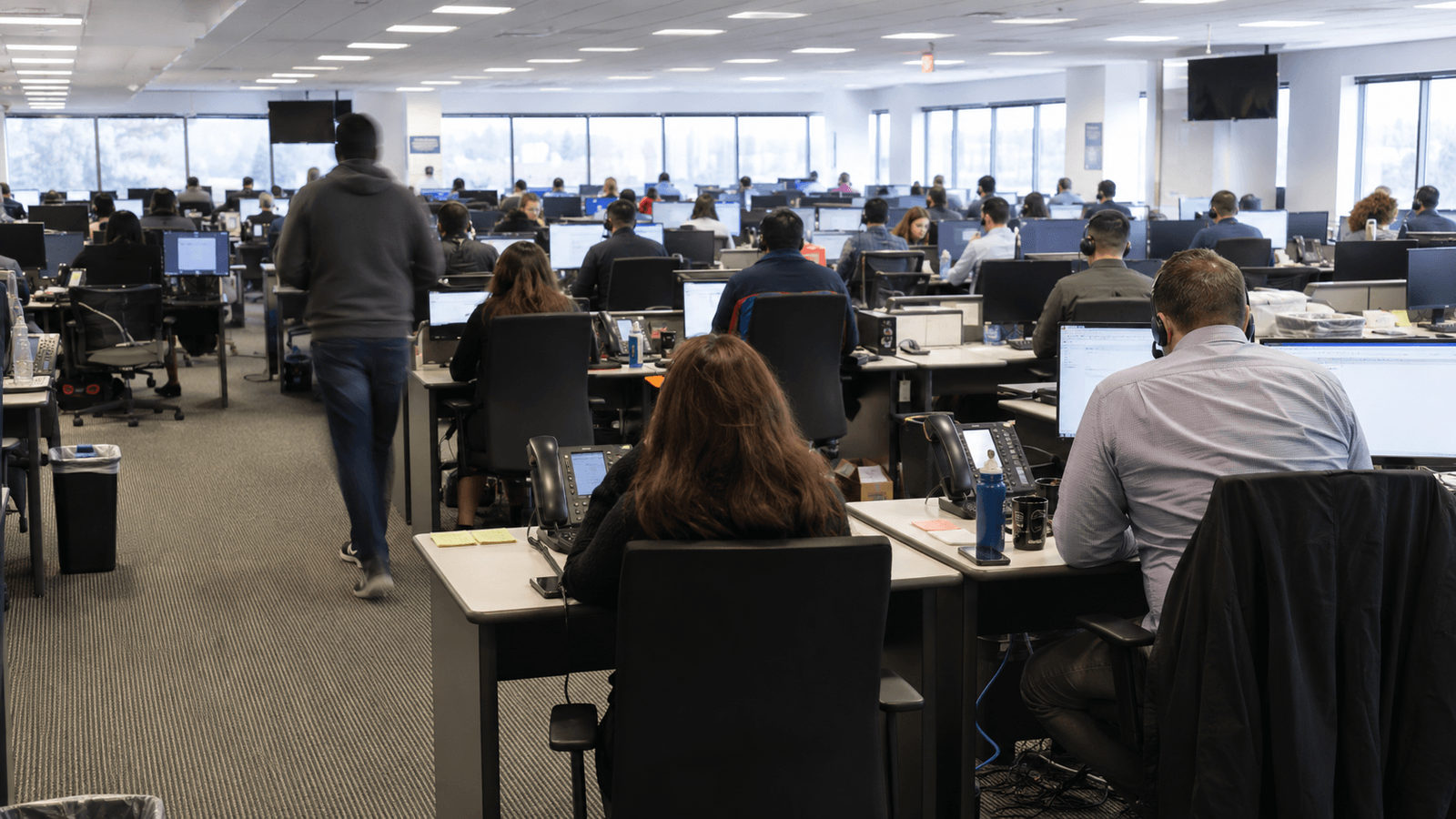
SS: So we had some work-from-home options that people could earn their way into, but we didn’t have anybody who was permanently in their home or in another location. So we’re now 330+, 100% in our homes.
BM: Got it. So, what was your initial employee response plan and what did you find working really well?
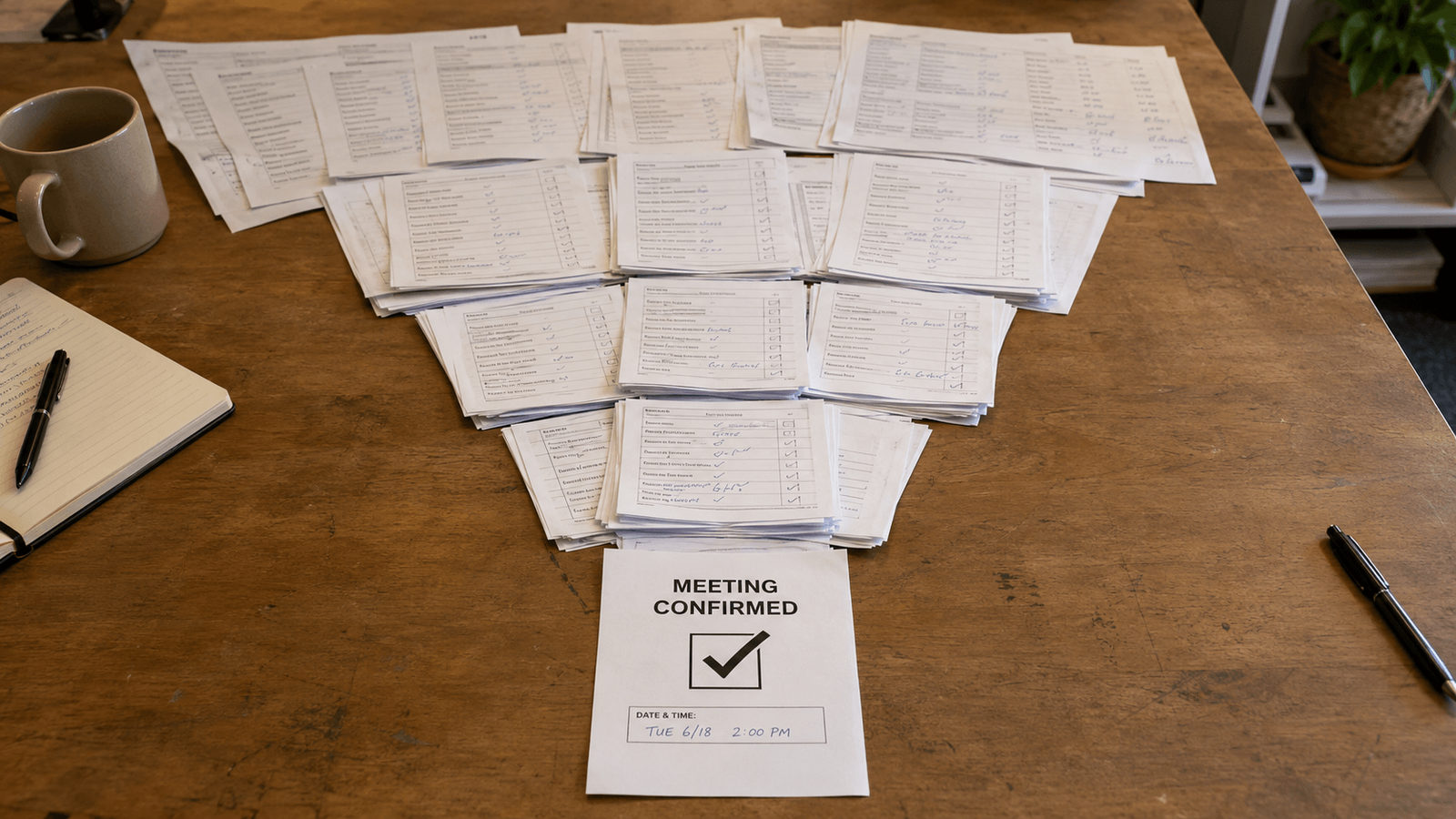
SS: So we have a really good executive team that has been plugged into things that have been going on from the beginning, and I feel like we had a little bit of a leg up and got ahead of it. Our plan was to put a project manager in place to manage this whole process; we met as an executive team, assigned that project manager, and then that particular individual broke it down into technology, internal and external communication pieces, and then managed us through that. We put a series of videos together for our directors, our internal staff, and then our clients on the outside. We took a three-day period where we assessed technology; the people who had laptops- which was about half of them – were fine, the folks with desktops we had to address with webcams and wireless cards. But in a three-day period, we took them through a check-out process; people from our executive team down were involved in that process. At the end of the day, a third would go, we’d go to their desks, take them through a checklist, load their stuff on a cart, take it to their car and send them on their way, and then once they got home there was a check-in process they had to do to make sure that the technology was up and running and we were fully operational. So we took three days to go out, and within four days all of our people were doing that really important work that our clients depend on.
BM: Was there anything in your employee response plan that you thought would’ve worked better or you wish you would’ve done differently?
SS: That’s a good question. I would say I think that the process that we went through to get people up and operational in their homes really worked, and I don’t think I would change anything about that. I feel like I wish we would’ve prepared people more emotionally for leaving the office, that separation, and just going home as an individual and things they could do to be productive. We’ve since then picked it up, but I would do more from that perspective up front.
BM: Great. And was there anything that surprised you during this crisis?
SS: Honestly, it surprises me just what people can do when they pull together and there’s a common enemy. You know, this virus is this invisible enemy, and we’re all up against it, and when there’s something like that that’s going on in the world, or within an organization, it’s surprising how people pull together quickly, get more unified, and what they’re able to accomplish. And I’m a huge believer in our team, but it just continues to amaze me every day how much more they do and what they’re willing to do and what they’re willing to sacrifice for others. It’s been great.
“I’m a huge believer in our team, but it just continues to amaze me every day how much more they do, what they’re willing to do, and what they’re willing to sacrifice for others.” – Scott Scully, CEO, Abstrakt Marketing Group
BM: And with that being said, how are most of your employees responding?
SS: They have been amazing! We are actually seeing an increase in productivity. They’re just doing whatever they can for our clients. We have a lot of clients in New York and California, areas that are really getting hit hard, and they’ve been respectful and just working to do whatever they can to be supportive. There’s a lot of things that we have in place from a cultural standpoint to stay in touch, so it’s pretty easy to see through virtual huddles and the games that they’re playing that they’re having fun with it and making the most out of the time at home.
BM: So, you just helped me with my transition, the next question I was going to ask is do you find your company coming together, doing any interesting or unique things? Such as—well, I mean I guess now a lot of people are doing virtual happy hours, or hosting gym or home fitness classes, or bartending classes. I’ve seen a lot of different and interesting things. Are there any things you can share that you’ve seen your employees doing or that you’re providing your employees during this?
SS: Absolutely. We have an amazing team that works on our culture only, and there are so many things we’re doing every day. Each team has a virtual huddle, we have a game that’s going on every day where each team submits a picture of their best representation of something—yesterday was best hairdo, today was strangest thing in your closet, the day before that it was cutest pet—and they submit their pictures and then we vote internally, and put them out online socially and get engagement out there. We’ve got a guy that’s the head of our culture who’s put a request thing together and you can request a song, and he goes and records it. Just a lot of different things to keep the mood light and get people playing games and sharing their experiences at home. It’s been fun, actually a lot of them I think we’re going to try to continue when we get back into the office.
BM: That’s pretty cool. So what is your next step moving forward?
SS: Well, the next step is just to continue to figure out what spot our clients are in, and some of them, the way that we’re supporting them, it’s different than what our actual engagement is depending on where they’re at in the country, so we have to kind of define what our offering looks like for them during this difficult time and how we can be the most supportive. This bill did just get passed, so we have to navigate through that this weekend and figure out what that looks like and how it could potentially help some of our customers feel more comfortable about what business looks like for them around the corner. We will continue to do our daily engagement games and processes. We just really have to drill down on operating remotely, not just for a week or two, but what that could look like for a couple of months if that comes up, to just make sure we’re ready for that and our team’s ready for that.
BM: Any last tips or advice that you would like to provide to business leaders listening about how they can continue to help reduce employee stress or anxiety?
SS: Yeah, just, you know, be face to face, I think you’ve heard that a lot. But what I think is important is that most people want to help, and they will do more during this time. So if you’re not afraid to ask for help from everyone in your organization and they have something they can contribute, that’s a big deal. It pulls them all together, and it makes them feel like there’s some sense of hope that they’re the subject matter expert on something. Somebody could be researching fitness options, somebody could be running a game, somebody could be tuned in to the bill and what it looks like, and when it’ll pass or what will be in it, there’s just so many things that you can spread out and give each person something, and we’ve found that that’s been really helpful.
BM: Thank you so much, as I know there’s so many things that you could be focusing on right now to help your own team and to be so gracious with your time to help others during this time to create a sense of community and to share your experiences is amazing. So again, thanks again, we hope that you, your family, your team, and everyone else is safe and healthy, and we really appreciate you taking this time. Thanks a lot.
SS: Thank you so much.
Did you find this interview helpful? If so, please share and send it to all HR and business leaders in your network! Everyone is looking for some reassurance, guidance, and a sense of community during this time. For more tips and information on how to reduce employee stress during this time, follow Abstrakt Marketing Group on social media, or contact our team today.
You can listen to the entire podcast on our Youtube page.

Jeff Winters
Jeff Winters is the Chief Executive Officer (CEO) of Abstrakt and former CEO of Sapper Consulting, acquired by Abstrakt in 2021. A seasoned entrepreneur, Jeff founded Sapper in 2013 and led it to a successful acquisition. With expertise in sales and revenue growth, he drives strategies that deliver results. As co-host of The Grow Show, Jeff shares practical insights and real stories from experienced leaders to help entrepreneurs grow. Tune in weekly on Spotify, Apple Podcasts, and more!