
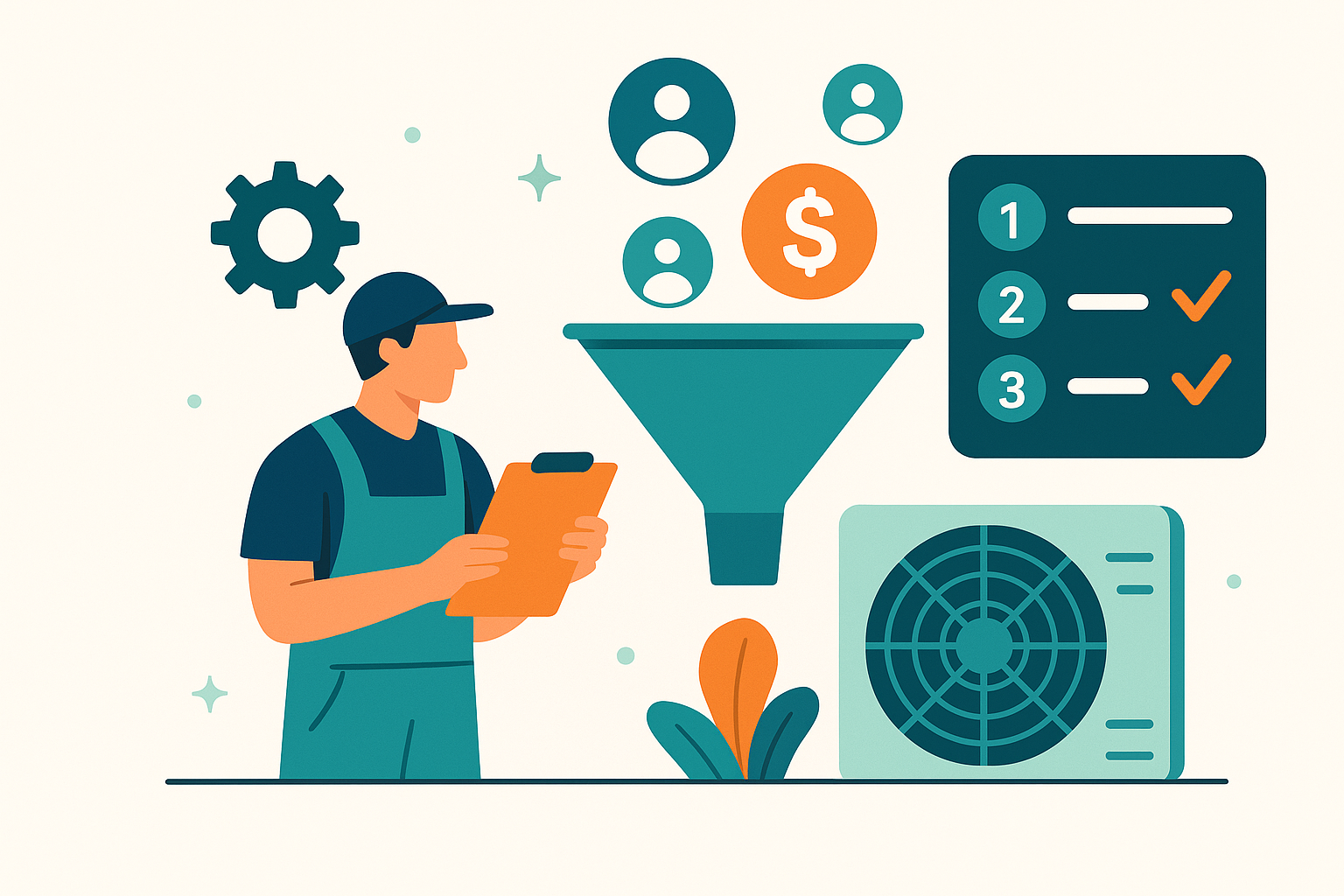
For HVAC companies looking to scale, demand generation is no longer optional. It is essential. Whether you’re trying to increase installations during slow seasons, expand your service base, or consistently fill your sales pipeline, you need a strategy that creates demand before your prospects even realize they need you.
This is where demand generation for HVAC companies becomes a powerful driver of growth. With the right tactics in place, you can influence buyer behavior, educate your market, and stay ahead of the competition.
In this article, we’ll break down the top demand generation tactics that HVAC firms can use to keep their sales calendar full — including webinars, case studies, and seasonal offers — along with how to tie it all together with a strong call to action.
Contents
- 1 What Is Demand Generation for HVAC Companies?
- 2 The Challenge: Feast or Famine Sales Cycles
- 3 Tactic #1: HVAC Educational Webinars That Build Authority
- 4 Tactic #2: Customer Case Studies That Convert
- 5 Tactic #3: Time-Sensitive Seasonal Offers
- 6 Tactic #4: Partner with Local Influencers and Brands
- 7 Tactic #5: Targeted Lead Magnets That Drive Action
- 8 Aligning Marketing and Sales for Demand Conversion
- 9 Metrics That Matter in HVAC Demand Generation
- 10 Putting It All Together: Campaign Timeline Example
- 11 Final Thoughts: Demand Generation That Delivers
What Is Demand Generation for HVAC Companies?
Demand generation is the process of creating awareness and interest in your services before the prospect is ready to buy. It goes beyond lead generation by focusing on long-term brand visibility, trust, and value delivery.
For HVAC firms, this could mean:
- Educating homeowners about energy-efficient upgrades
- Sharing real-world success stories of major system replacements
- Hosting seasonal webinars on system maintenance or indoor air quality
- Running limited-time offers that align with peak service demand
- Building brand awareness in the community through partnerships and events
The ultimate goal is to warm up potential customers and position your company as the obvious choice when they need HVAC services.
The Challenge: Feast or Famine Sales Cycles
Most HVAC companies struggle with fluctuating demand. Summer and winter bring spikes in emergency calls, but spring and fall can be quiet. This creates cash flow inconsistencies and unpredictable revenue.
Demand generation helps smooth out those peaks and valleys by creating steady interest and engagement throughout the year. It keeps your team busy, builds a predictable revenue stream, and reduces the pressure of scrambling for leads during slow months.
Tactic #1: HVAC Educational Webinars That Build Authority
Webinars are one of the most effective ways to position your HVAC company as a trusted advisor. They allow you to educate prospects at scale while showcasing your expertise.
Types of Webinars to Host:
1. Seasonal Prep Webinars
Example: “Get Your HVAC System Ready for Winter”
- Offer maintenance tips
- Explain signs of system failure
- Promote tune-ups and inspections
2. Energy Efficiency Education
Example: “Slash Utility Bills with the Right HVAC Upgrades”
- Break down high-efficiency system options
- Share real savings data
- Pitch financing or upgrade promotions
3. IAQ (Indoor Air Quality) Awareness
Example: “How Clean Is the Air in Your Home?”
- Talk about health impacts
- Introduce products like air purifiers and smart thermostats
4. Commercial HVAC Planning
Example: “Planning a Retrofit? What Every Facility Manager Should Know”
- Speak to building owners and property managers
- Offer insight into ROI, installation timelines, and tenant impact
Keys to Webinar Success:
- Promote via email and social media 2–3 weeks in advance
- Keep it under 45 minutes
- Make it interactive with polls and live Q&A
- Follow up with the replay and a consultation CTA
- Record for repurposing as evergreen content or YouTube clips
Webinars aren’t just for marketing — they’re a direct bridge to sales conversations. They also generate leads you can nurture long after the session ends.
Tactic #2: Customer Case Studies That Convert
Your satisfied customers are your best marketers. Case studies tell the story of how your HVAC services delivered real value — and they are one of the most persuasive forms of demand generation content.
Elements of an Effective Case Study:
- Background: Who was the client? What was their challenge?
- Solution: What service or product did you provide?
- Process: How did the job go? Any obstacles or wins?
- Results: What measurable outcomes did the customer see? (e.g., savings, improved comfort, better air quality)
- Testimonial: Include a quote or video clip from the customer
Use these case studies in:
- Sales decks and presentations
- Website landing pages
- Social media posts
- Email nurture campaigns
- Webinars and live events
When your prospects see someone like them benefiting from your work, trust increases and sales cycles shorten.
Tactic #3: Time-Sensitive Seasonal Offers
Seasonal campaigns are critical to HVAC demand generation. The key is to be proactive, not reactive. Get ahead of the weather changes and communicate urgency with limited-time offers.
Examples of Seasonal Campaigns:
Pre-Summer A/C Tune-Up Promo
- Book before May 15 and get 15% off
- Include a free filter replacement
Back-to-School System Check
- Target families in late August or September
- Position it as health and comfort protection
Winter Emergency Prep Package
- Include a full furnace inspection + priority service
- Add in a no-charge follow-up visit if needed
Year-End Upgrade Special
- Leverage tax incentives or leftover budget with businesses
- Offer 0% financing or free smart thermostat with purchase
Spring Duct Cleaning Special
- Promote allergen reduction and air quality benefits
- Bundle with IAQ services like UV lights or purifiers
Promote these offers through email, paid ads, direct mail, and service reminders. Be consistent with timing year after year so your audience begins to expect and anticipate these seasonal opportunities.
Tactic #4: Partner with Local Influencers and Brands
Demand generation is not only about what you say — it’s also about who says it. Partnering with local influencers, home improvement brands, or realtors can amplify your reach and boost credibility.
Strategic Partnerships Might Include:
- Local real estate agents referring your company during home inspections
- Collaborating with builders or architects on new HVAC installs
- Co-hosting events or webinars with energy audit firms
- Featuring local influencers using your services and sharing online
- Cross-promotions with hardware stores or clean energy programs
These relationships open doors to new audiences and lend third-party credibility to your marketing.
Tactic #5: Targeted Lead Magnets That Drive Action
If you want demand, you need to offer value up front. Lead magnets are downloadable resources that educate and entice in exchange for a prospect’s contact information.
Lead Magnet Ideas:
- HVAC seasonal maintenance checklist
- Homeowner’s guide to energy-efficient upgrades
- Commercial HVAC planning template
- FAQ sheet on heat pumps, ductless systems, or rebates
- Email series on “10 Things Every Homeowner Should Know About Their HVAC System”
Once someone downloads your lead magnet, plug them into a nurture sequence that follows up with related case studies, webinar invites, or service offers. The key is to stay top-of-mind without being overly salesy.
Aligning Marketing and Sales for Demand Conversion
Even the best campaigns fail when sales and marketing are disconnected. Once a lead raises their hand — whether by registering for a webinar or downloading a checklist — your sales team needs to be ready.
Sync Marketing with Sales by:
- Integrating your CRM with lead capture forms
- Setting notifications for key actions (like webinar attendance)
- Equipping sales reps with relevant content for follow-up
- Tracking lead sources and campaign performance
- Scheduling weekly reviews to adjust targeting or messaging
Sales needs to know the context of each lead so they can tailor the conversation. A homeowner who attended a webinar on smart thermostats is much closer to converting than someone who just downloaded a guide.
Metrics That Matter in HVAC Demand Generation
To keep your calendar full, you need to monitor what’s working. Focus on metrics that show engagement and progression.
Key Metrics:
- Webinar registrations and attendance rate
- Number of case study views or downloads
- Offer redemption and booking rates
- Cost per lead and cost per opportunity
- Revenue attributed to demand generation campaigns
- Conversion rates from initial inquiry to closed deal
- Email open and click-through rates on nurture sequences
Regularly review these metrics and adjust your tactics accordingly. The best demand generation strategies evolve with your market. Stay nimble and data-driven.
Putting It All Together: Campaign Timeline Example
Let’s walk through a basic 90-day demand generation campaign for an HVAC firm looking to grow bookings during the fall.
Week 1:
- Launch a seasonal checklist lead magnet
- Promote through paid social and email
Week 2–3:
- Host a webinar: “How to Prep Your Furnace for Winter”
- Promote to checklist downloaders and email list
Week 4–6:
- Share a case study from a client who upgraded their heating system last winter
- Run a limited-time tune-up promo
Week 7–9:
- Send a follow-up email with winter savings offers
- Sales team follows up with warm leads
Week 10–12:
- Offer last-chance reminder and bonus service for those who book
- Promote early bird spring duct cleaning discount
Every element feeds into the next, creating a pipeline of demand that fills your calendar.
Final Thoughts: Demand Generation That Delivers
The difference between HVAC companies that stay busy year-round and those that scramble during off-peak months comes down to proactive demand generation. By using webinars to educate, case studies to prove value, and seasonal offers to create urgency, you build a marketing engine that keeps your business top-of-mind.
If you’re ready to develop a campaign tailored to your market, let’s talk.
Book a discovery call with our team today and see how Abstrakt can help fill your calendar with qualified leads — every season of the year.

Madison Hendrix
Madison has worked in SEO and content writing at Abstrakt for over 5 years and has become a certified lead generation expert through her hours upon hours of research to identify the best possible strategies for companies to grow within our niche industry target audiences. An early adopter of AIO (A.I. Optimization) with many organic search accolades - she brings a unique level of expertise to Abstrakt providing helpful info to all of our core audiences.