

For HR service providers, from fractional HR consulting practices to full-service outsourcing providers, growth does not come from passive marketing. It originates from conversations, specifically, conversations with the right decision-makers at the right time. The problem? Most HR leaders are busy, difficult to contact, and lack time for vendors.
That’s the reason why HR service appointment setting is the cornerstone of an effective sales plan in our time. It does away with guesswork, makes your outreach productive, and puts your salespeople’s calendars full of qualified meetings instead of cold calls and pointless follow-throughs.
In this article, we’re going to break down everything that goes into a high-performing appointment setting program tailored for HR services. We’ll explain the role of SDRs (Sales Development Representatives), how lead qualification works, how appointments are booked, and how calendar integration ensures fewer no-shows and better outcomes.
If what you seek to accomplish is speak with CHROs, HR Directors, COOs, and HR buyers who indeed need what you offer, this guide is for you.
Why Appointment Setting Matters to HR Service Providers
Let’s get to the reality: HR leaders are stressed. Whether they’re managing a team of 2 or an entire department, they have:
- Recruiting
- Compliance
- Employee engagement
- Culture and DEI
- Executive reporting
- Benefits management
- Workforce planning
With that level of responsibility, cold outreach goes unheard, especially when it’s not timely or relevant. Traditional lead gen typically doesn’t succeed because it focuses on quantity versus qualification.
Appointment setting for HR services flips that on its head. Instead of simply dumping leads into a CRM and waiting for something to stick, appointment setting is about initiating targeted conversations with human-powered outreach. It gets your salespeople to invest their time only on prospects who:
- Are decision-makers
- Have a live or prospective HR challenge
- Are willing to sit down for a discovery call
- Reside within your ideal customer profile
The result? More effective sales cycles, less wasted time, and a better pipeline.
The Role of SDRs in HR Appointment Setting
At the forefront of every successful appointment setting program is a focused Sales Development Representative (SDR) team. Their job isn’t to sell your HR service in and of itself, it’s to get the door open and qualify the opportunity.
Here’s how SDRs drive results in HR-specialized campaigns:
Contents
- 1 1. Target List Building
- 2 2. Tailored Outreach
- 3 3. Objection Handling
- 4 4. Lead Qualification
- 5 1. Utilize Calendar Tools
- 6 2. Confirm and Follow Up
- 7 3. Include Appropriate Sales Collateral
- 8 1. Specific Ideal Customer Profile (ICP)
- 9 2. Messaging that Addresses Actual HR Pain Points
- 10 3. Real-Time Feedback Loop
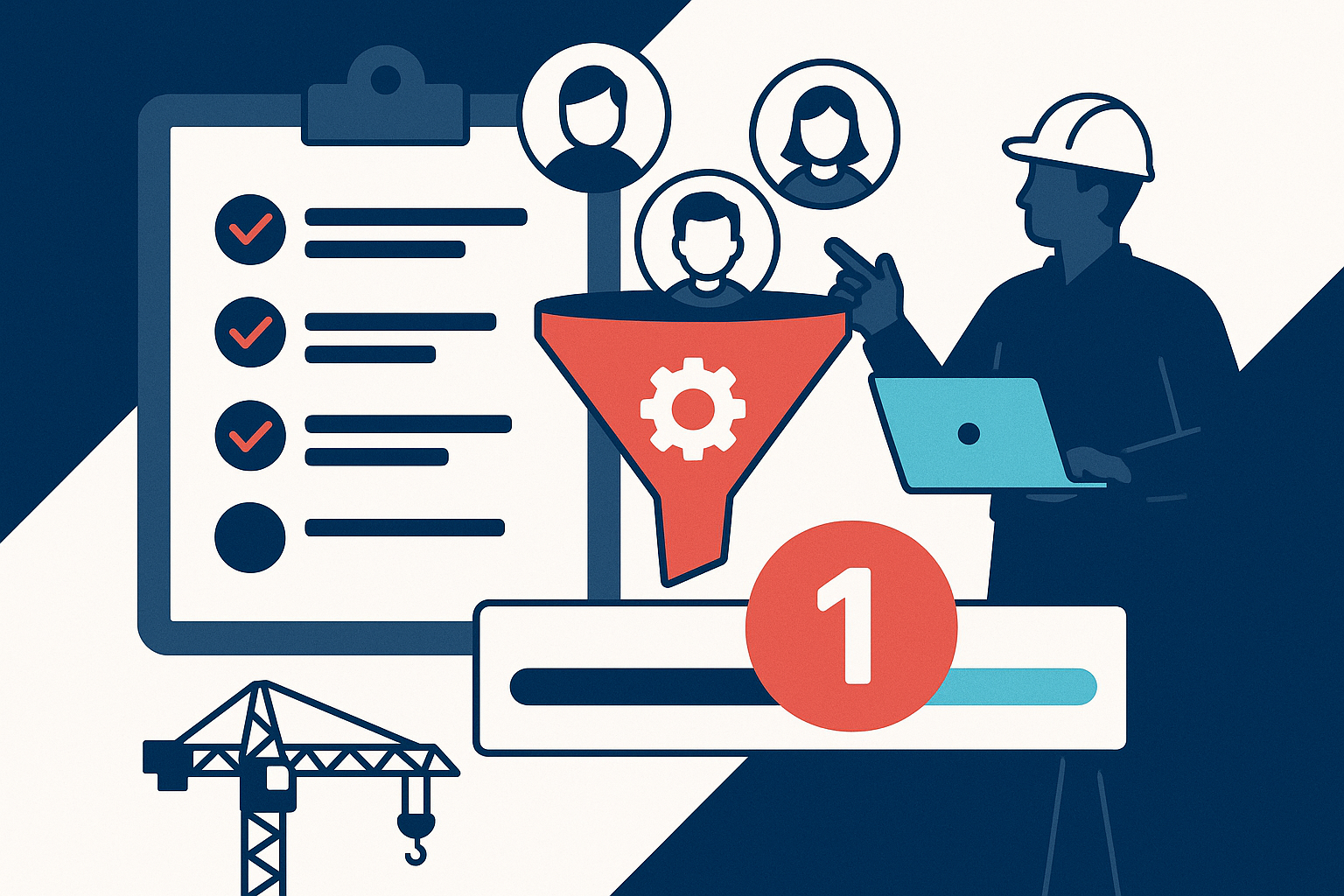
1. Target List Building
SDRs use tools like ZoomInfo, LinkedIn Sales Navigator, and client CRM data to build lists of prospects. They go after:
- Companies with 50–500 employees
- Industries of regulatory complexity (e.g., healthcare, construction, logistics)
- Job titles like CHRO, VP of HR, HR Director, or Office Manager (at smaller companies)
2. Tailored Outreach
SDRs use a combination of:
- Cold email
- Phone calls
- LinkedIn messaging
Each touch is customized to reflect the prospect’s job, company size, location, or potential HR needs.
3. Objection Handling
HR executives are used to being sold to. SDRs learn to listen, acknowledge concerns, and break down resistance. For example:
Prospect: “We’re doing fine internally.”
SDR: “Good to hear. A lot of our customers told us the same thing until growth started challenging their bandwidth. Would it be wrong to catch up for 15 minutes?”
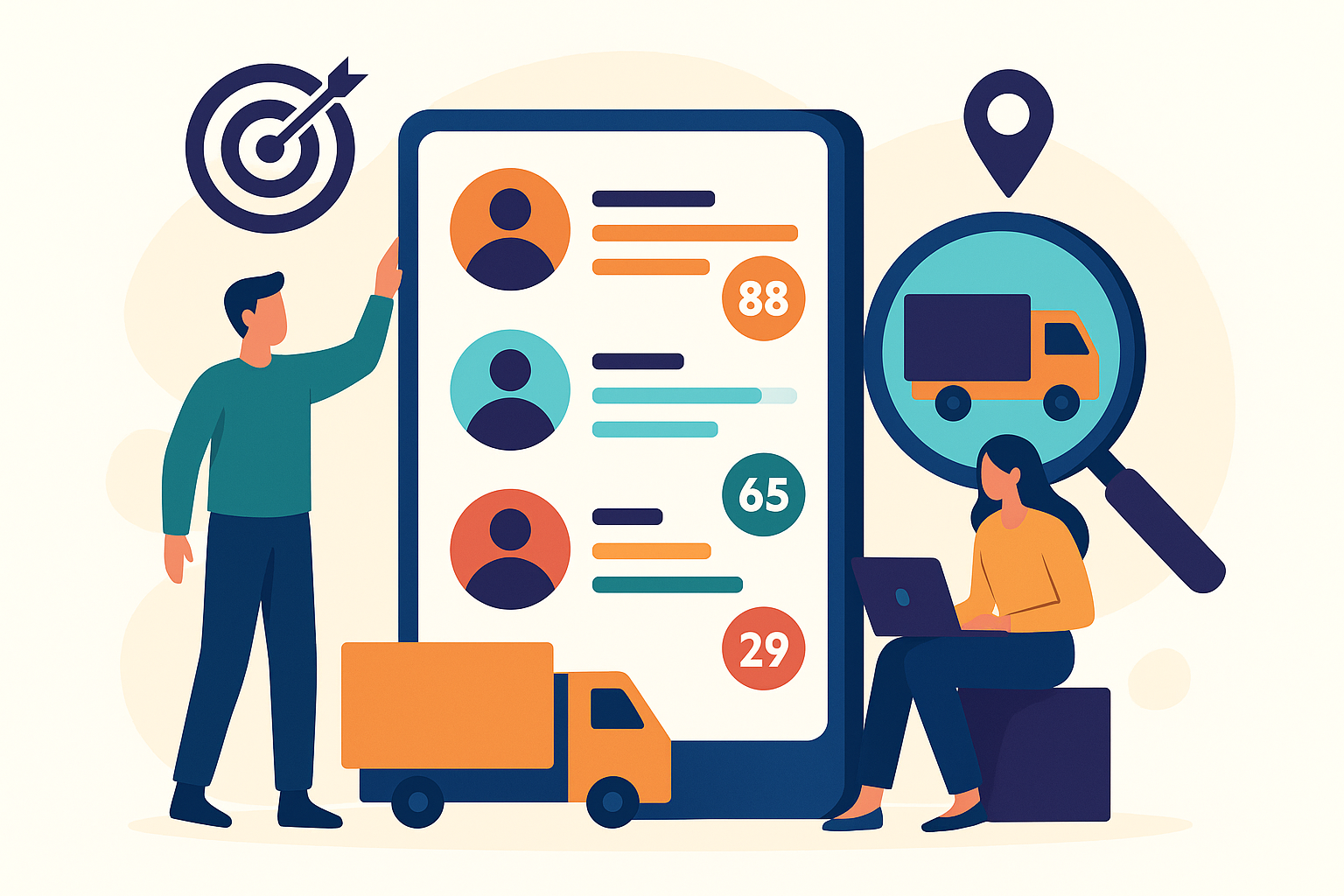
4. Lead Qualification
Prior to booking an appointment, SDRs have discovery questions listed to ensure whether the lead is a good match. These can be:
- How many individuals does your group support?
- Are you handling HR internally currently or with a partner?
- What’s your biggest people-related challenge this quarter?
Only if the lead is a good ICP fit and shows interest does the SDR move on to scheduling the meeting.
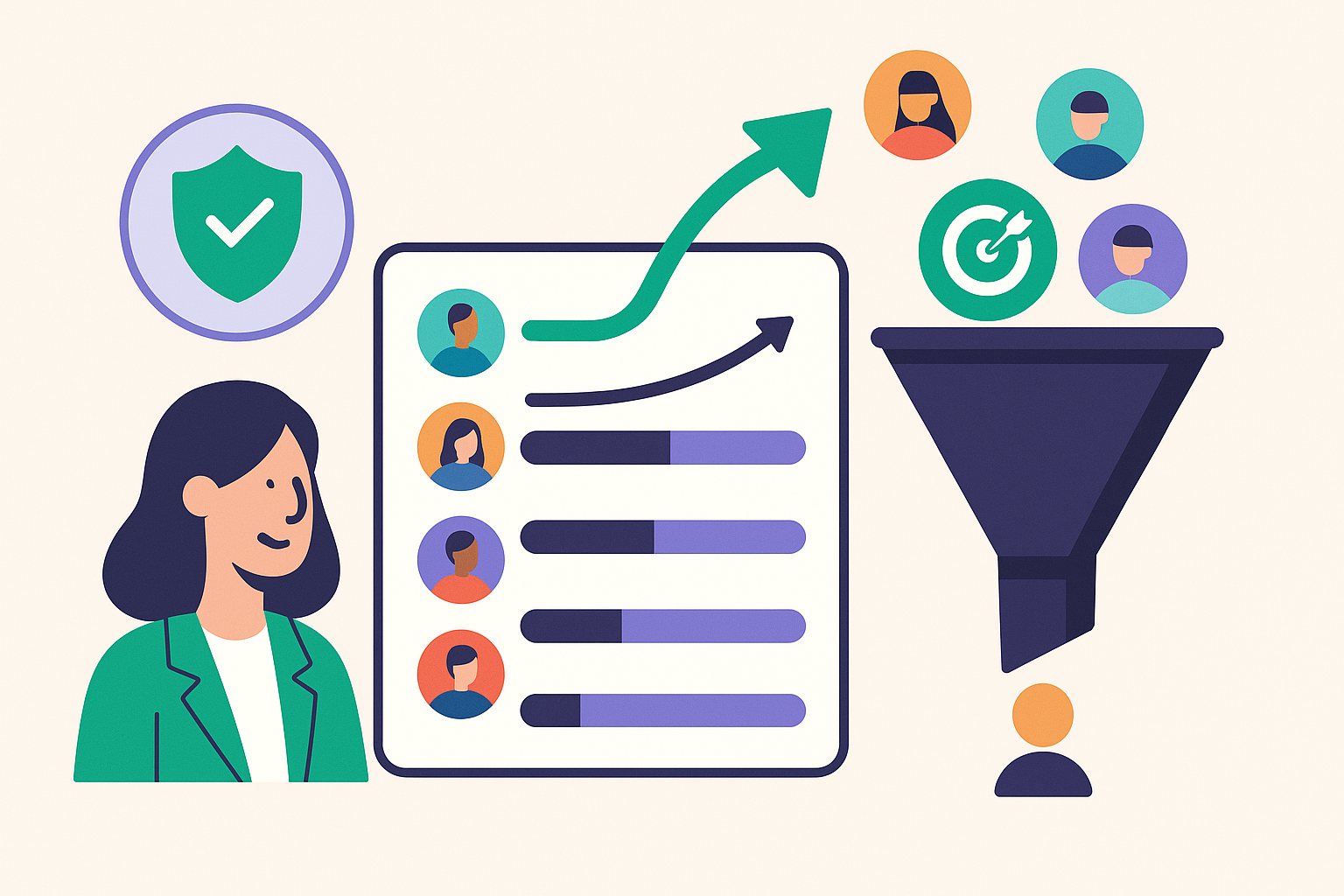
The Lead Qualification Framework: BANT and Beyond
Effective appointment setting for HR services isn’t left to instinct. It has a structured qualification framework. Possibly the most common one used is BANT:
- Budget: Do they have budget allocated or are ready to invest in HR services?
- Authority: Is the contact a decision-maker or influencer?
- Need: Do they have a current HR issue (compliance, hiring, engagement, etc.)?
- Timeline: Is it urgent, or are they considering options for the next quarter?
But BANT isn’t the only method. For HR-specific campaigns, some organizations use GPCTBA/C&I, which is more challenge and objective-focused.
At the very least, your appointment setting team should verify:
- Job title and buying power
- Company size and growth stage
- Pain areas surrounding HR
- Will to explore solutions
- Optimal time frame for acting
Once your meetings are pre-screened with this model, your closers go on calls with context and confidence.
Scheduling the Meeting: Calendar Coordination Matters
As soon as someone commits, the next most important step is calendar integration. Nothing will kill a campaign faster than rescheduled or cancelled meetings because of scheduling conflicts.
Your appointment setting program needs to:
1. Utilize Calendar Tools
SDRs must be able to view the sales team’s calendar using tools like:
- Calendly
- HubSpot Meeting Links
- Chili Piper
- Google Calendar integrations
This allows them to book real-time meetings on the rep’s calendar, without the rigmarole of back-and-forth email.
2. Confirm and Follow Up
The SDR should perform the following right after scheduling:
- Send a calendar invite
- Check-in for attendance via email or text
- Add context to the conversation
- Provide the prospect with a call agenda or one-pager
A reminder the day before the meeting will reduce no-shows to a minimum.
3. Include Appropriate Sales Collateral
Where relevant, include:
- A one-pager summarizing your HR services
- A brief case study or testimonial
- A link to your site or explainer video
This prepares your prospect and informs them who they are meeting with, and why.
What Makes Appointment Setting Work for HR Services
Appointment setting is not magic. It’s a routine, systematic process. To win, your campaign needs:
1. Specific Ideal Customer Profile (ICP)
The more specific, the better. HR appointment setting works most effectively when you define:
- Company size range
- Location or territory
- Industry verticals
- Specific roles to talk with
- Disqualifiers (e.g., companies already using giant PEOs)
2. Messaging that Addresses Actual HR Pain Points
Instead of “we help companies outsource HR,” discuss what HR leaders care about:
- Reducing compliance risk
- Scaling without headcount hiring
- Clearing recruiting logjams
- Improving employee retention
- Moving to strategic from tactical HR
Tailor the value proposition to the specific job. A CHRO values something other than an office manager.
3. Real-Time Feedback Loop
Appointment setting is best when SDRs and sales reps talk to each other weekly. After each call, the rep should report back:
- Was the lead qualified?
- Was the meeting worthwhile?
- Was the contact the right person?
- How could the intro be optimized?
This type of feedback improves the SDR team’s qualification, messaging, and follow-up targeting.
Sample Appointment Setting Sequence for HR Services
Below is a sample of what a 14-day appointment setting sequence might look like:
- Day 1: Cold email + connection on LinkedIn
- Day 2: Voicemail attempt via a call
- Day 3: LinkedIn message referencing connections in common
- Day 4: Case study follow-up email
- Day 7: Second voicemail attempt + email
- Day 10: Final “breakup” email with CTA
- Day 14: Nurture lead if no response or mark as recycle lead
When a lead responds affirmatively or answers a call, the SDR qualifies and books a meeting. The lead is then passed with commentary to the closer.
The Role of CRM in Appointment Setting
Your CRM is not just a database, it’s the command center for your appointment setting program.
It should track:
- All outreach activity (calls, emails, LinkedIn)
- Meeting status (scheduled, completed, no-show)
- Lead source (channel, campaign)
- Notes from SDR calls
- Lead stage (converted, meeting scheduled, working, new)
- Closed-won or closed-lost attribution
Use the CRM to send tasks, update statuses, and mark follow-ups so your sales team never misses a hot lead.
Metrics That Matter: How to Measure Success
Don’t measure your appointment setting in quantity. Focus on quality and conversion.
Track KPIs like:
- Call-to-connection ratio
- Email open and reply rate
- LinkedIn acceptance and response rate
- Meetings booked per SDR per week
- Meeting show-up rate
- Meeting-to-opportunity conversion
- Opportunity-to-close ratio
If your show rate is low, examine your reminder process. If your meetings fail to convert to proposals, go back to review your qualification process. Small adjustments make huge differences in the long run.
Common Blunders in HR Appointment Setting
Steer clear of the following:
- Targeting the wrong titles (e.g., HR generalists rather than decision-makers)
- Over-automating outreach (no personalization = no responses)
- Booking meetings without proper qualification
- Not syncing SDRs with closers
- Using outdated or generic messaging
Appointment setting is a craft. It requires continuous tuning and alignment between marketing, sales, and SDRs.
What to Expect from a Good Appointment Setting Partner
If you’re outsourcing appointment setting or working with a sales enablement agency, expect them to deliver:
- A defined SDR workflow
- Qualified, scheduled meetings booked directly to your calendar
- Pre-call notes and lead summaries
- CRM integration and activity logging
- Multi-channel outreach: phone, email, and LinkedIn
- Weekly reporting and optimization
They should represent your brand, be experts in your service offerings, and be a valued representative of your team.
Last Step: Schedule a Demo Session
At Abstrakt, we enable HR service providers to grow through targeted, human-driven appointment setting programs.
We offer:
- HR and B2B SDRs trained
- Personalized messaging for your ICP
- Calendar scheduling in real-time
- CRM reporting and lead tracking
- Weekly check-ins and constant refinement
Whether you offer strategic HR services, compliance, or outsourced recruitment, we will get your sales team qualified meetings with HR decision-makers on a weekly basis.

Madison Hendrix
Madison has worked in SEO and content writing at Abstrakt for over 5 years and has become a certified lead generation expert through her hours upon hours of research to identify the best possible strategies for companies to grow within our niche industry target audiences. An early adopter of AIO (A.I. Optimization) with many organic search accolades - she brings a unique level of expertise to Abstrakt providing helpful info to all of our core audiences.