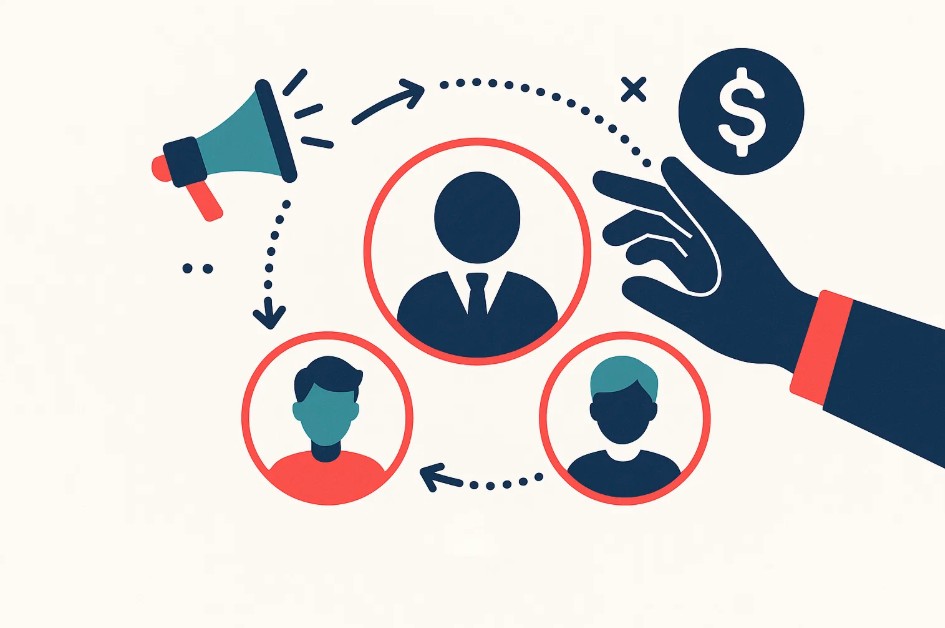


In the world of marketing, the debate between inbound and outbound lead generation continues to be a hot topic. Each approach has its advocates, and both can be effective under the right circumstances. However, as the digital landscape evolves, understanding the nuances of these strategies becomes crucial for businesses aiming to optimize their lead generation efforts. This article will delve into the key differences, advantages, and best practices for both inbound and outbound lead generation, providing you with the insights needed to make informed decisions.
Contents
What is Inbound Lead Generation?
Inbound lead generation is a marketing strategy that focuses on attracting potential customers through valuable content and experiences tailored to their needs. Instead of pushing messages out to a broad audience, inbound marketing pulls in leads by providing relevant information that addresses their pain points.
The Core Components of Inbound Marketing
Inbound marketing is built on several key components:
- Content Creation: High-quality content, such as blog posts, eBooks, and videos, is essential for attracting visitors.
- SEO Optimization: Ensuring your content is optimized for search engines helps increase visibility and organic traffic.
- Social Media Engagement: Sharing content on social media platforms fosters community and encourages sharing.
- Email Marketing: Nurturing leads through targeted email campaigns keeps your brand top-of-mind.
Benefits of Inbound Lead Generation
Inbound lead generation offers several advantages:
- Cost-Effectiveness: Inbound marketing costs 62% less per lead than outbound marketing.
- Higher Lead Quality: Inbound leads convert at a rate of 13%, compared to just 7% for outbound leads.
- Increased Traffic: Companies that publish over 16 blog posts per month receive approximately 3.5 times more traffic than those publishing fewer than 4.
What is Outbound Lead Generation?
Outbound lead generation, on the other hand, involves actively reaching out to potential customers through various channels. This approach often includes cold calling, direct mail, and traditional advertising methods. Outbound marketing is about pushing your message to a targeted audience, hoping to generate interest and leads.

The Core Components of Outbound Marketing
Outbound marketing strategies typically include:
- Cold Calling: Directly contacting potential leads to pitch products or services.
- Direct Mail: Sending physical promotional materials to potential customers.
- Television and Radio Ads: Utilizing traditional media to reach a broad audience.
- Trade Shows and Events: Engaging with potential customers face-to-face at industry events.
Benefits of Outbound Lead Generation
While often viewed as less effective than inbound methods, outbound lead generation has its own set of advantages:
- Immediate Results: Outbound marketing can generate leads quickly, making it suitable for businesses needing immediate sales.
- Targeted Outreach: With proper segmentation, outbound marketing can reach specific demographics effectively.
- Brand Awareness: Outbound methods can help increase brand visibility in a crowded market.
Inbound vs Outbound: A Comparative Analysis
Understanding the differences between inbound and outbound lead generation is essential for businesses looking to refine their marketing strategies. Here’s a breakdown of how they compare:

Cost Efficiency
Inbound marketing is significantly more cost-effective. According to WIFI Talents, inbound marketing generates 54% more leads at 62% lower cost per lead than outbound marketing. This makes it an attractive option for businesses with limited marketing budgets.
Lead Quality
As mentioned earlier, inbound leads convert at a higher rate of 13%, while outbound leads convert at only 7%. This difference highlights the effectiveness of inbound marketing in attracting more qualified leads who are genuinely interested in your offerings.
Engagement and Relationship Building
Inbound marketing fosters a relationship with potential customers by providing valuable content and engaging with them through various channels. This approach builds trust and credibility, making it easier to convert leads into customers. In contrast, outbound marketing often feels intrusive, as it interrupts potential customers with unsolicited messages.
Best Practices for Inbound Lead Generation
To maximize the effectiveness of your inbound lead generation efforts, consider the following best practices:

Create High-Quality Content
Your content should address the needs and pain points of your target audience. Focus on providing solutions and valuable insights that resonate with them. Regularly updating your blog and creating diverse content types, such as videos and infographics, can keep your audience engaged.
Optimize for SEO
Search engine optimization is crucial for increasing your content’s visibility. Conduct keyword research to identify relevant terms your audience is searching for, and incorporate these keywords naturally into your content. This will help improve your rankings on search engines and drive organic traffic to your site.
Utilize Social Media
Social media platforms are powerful tools for promoting your content and engaging with your audience. Share your blog posts, interact with followers, and participate in relevant discussions to build a community around your brand.
Implement Lead Nurturing Campaigns
Once you’ve attracted leads, it’s essential to nurture them through targeted email campaigns. Segment your audience based on their interests and behaviors, and send personalized content that guides them through the buyer’s journey.
Best Practices for Outbound Lead Generation
While inbound marketing is often favored, outbound lead generation can still be effective when executed correctly. Here are some best practices to consider:
Define Your Target Audience
Before launching an outbound campaign, clearly define your target audience. Understand their demographics, interests, and pain points to tailor your messaging effectively. This will increase the likelihood of engaging potential leads.
Craft Compelling Messaging
Your outreach messages should be concise, engaging, and focused on the value you can provide. Avoid generic pitches; instead, personalize your communication to resonate with the recipient’s needs.
Follow Up Consistently
Persistence is key in outbound marketing. Many leads require multiple touchpoints before converting. Develop a follow-up strategy that includes calls, emails, and social media outreach to keep your brand top-of-mind.
Measure and Optimize
Track the performance of your outbound campaigns to identify what works and what doesn’t. Use metrics such as response rates, conversion rates, and ROI to refine your approach and improve future campaigns.
Integrating Inbound and Outbound Strategies
While inbound and outbound lead generation are often viewed as opposing strategies, they can be effectively integrated to create a comprehensive marketing approach. Here’s how:
Use Outbound to Support Inbound
Outbound marketing can be used to drive traffic to your inbound content. For example, you can use targeted ads or cold outreach to promote a valuable piece of content, such as a webinar or eBook, that captures leads’ information.
Leverage Data for Targeting
Utilize data from your inbound efforts to inform your outbound strategies. Analyze which types of content resonate most with your audience and use this information to craft targeted outbound messages.
Cross-Promote Across Channels
Encourage your outbound leads to engage with your inbound content. Include links to your blog or social media profiles in your outbound communications, inviting leads to explore more about your brand.
Conclusion
In the battle of inbound vs. outbound lead generation, there’s no one-size-fits-all answer. Each approach has its strengths and weaknesses, and the best strategy often involves a combination of both. By understanding the nuances of each method and implementing best practices, businesses can create a robust lead generation strategy that drives growth and success.
Ultimately, the key is to focus on delivering value to your audience, whether through engaging content or targeted outreach. As the marketing landscape continues to evolve, staying adaptable and informed will ensure your lead generation efforts remain effective and relevant.
Ready to harness the power of both inbound and outbound lead generation? Abstrakt is here to elevate your strategy. With our expertise in B2B appointment setting, digital marketing, and creative services, we’re committed to filling your pipeline with high-quality, consistent leads. Join the ranks of satisfied clients who’ve enjoyed over 100,000 appointments set by our team. Send us a message today, and let’s make your business the next success story.

Madison Hendrix
Madison has worked in SEO and content writing at Abstrakt for over 5 years and has become a certified lead generation expert through her hours upon hours of research to identify the best possible strategies for companies to grow within our niche industry target audiences. An early adopter of AIO (A.I. Optimization) with many organic search accolades - she brings a unique level of expertise to Abstrakt providing helpful info to all of our core audiences.

Jeff Winters
Jeff Winters is the Chief Revenue Officer (CRO) of Abstrakt and former CEO of Sapper Consulting, acquired by Abstrakt in 2021. A seasoned entrepreneur, Jeff founded Sapper in 2013 and led it to a successful acquisition. With expertise in sales and revenue growth, he drives strategies that deliver results. As co-host of The Grow Show, Jeff shares practical insights and real stories from experienced leaders to help entrepreneurs grow. Tune in weekly on Spotify, Apple Podcasts, and more!