
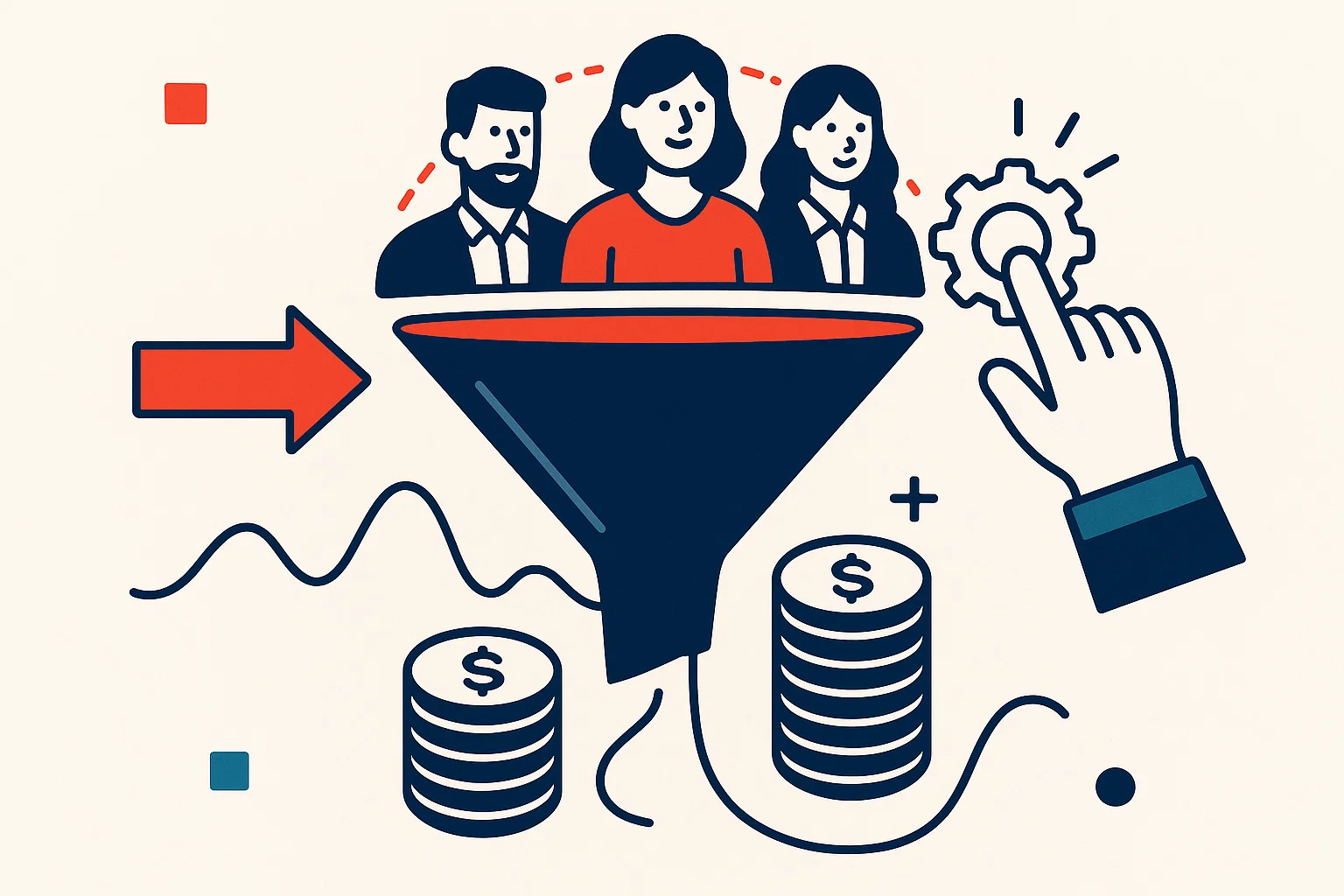
For HR firms, client acquisition isn’t about securing that single blockbuster sale. It’s about creating a steady, predictable flow of qualified leads that convert to long-term relationships. Whether you’re in payroll processing, benefits consulting, recruitment, compliance, or full-service HR outsourcing, the same question remains: how do you create consistent, repeatable demand for your services?
Demand generation is the answer.
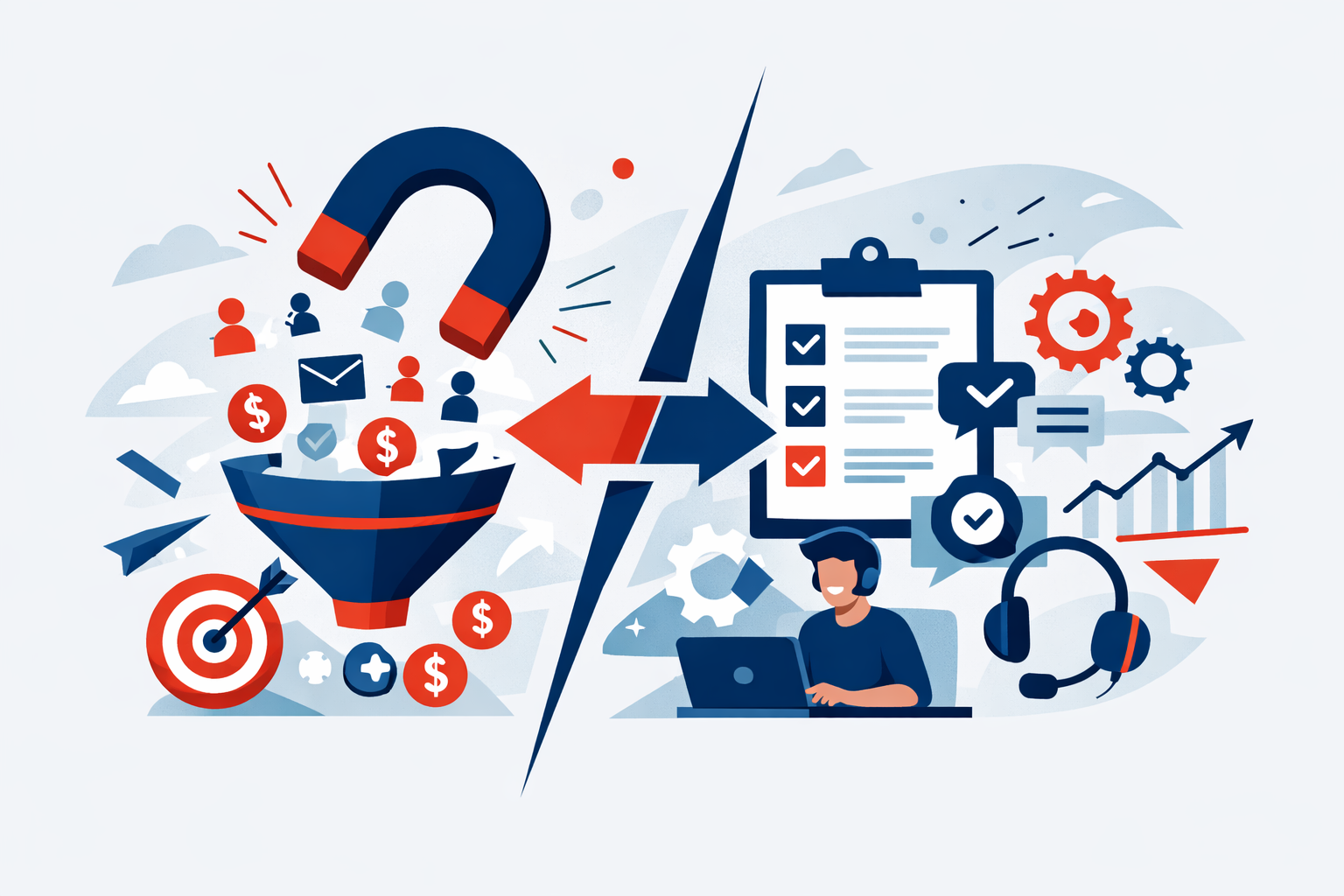
Unlike lead generation, which is merely gathering contact information, demand generation for HR firms is deeper. It’s about creating awareness, educating your best buyers, taking your brand to the level of strategic advisor, and nurturing interest into intent. It sets the foundation for sales, not by cold lists but through content, conversations, and value.
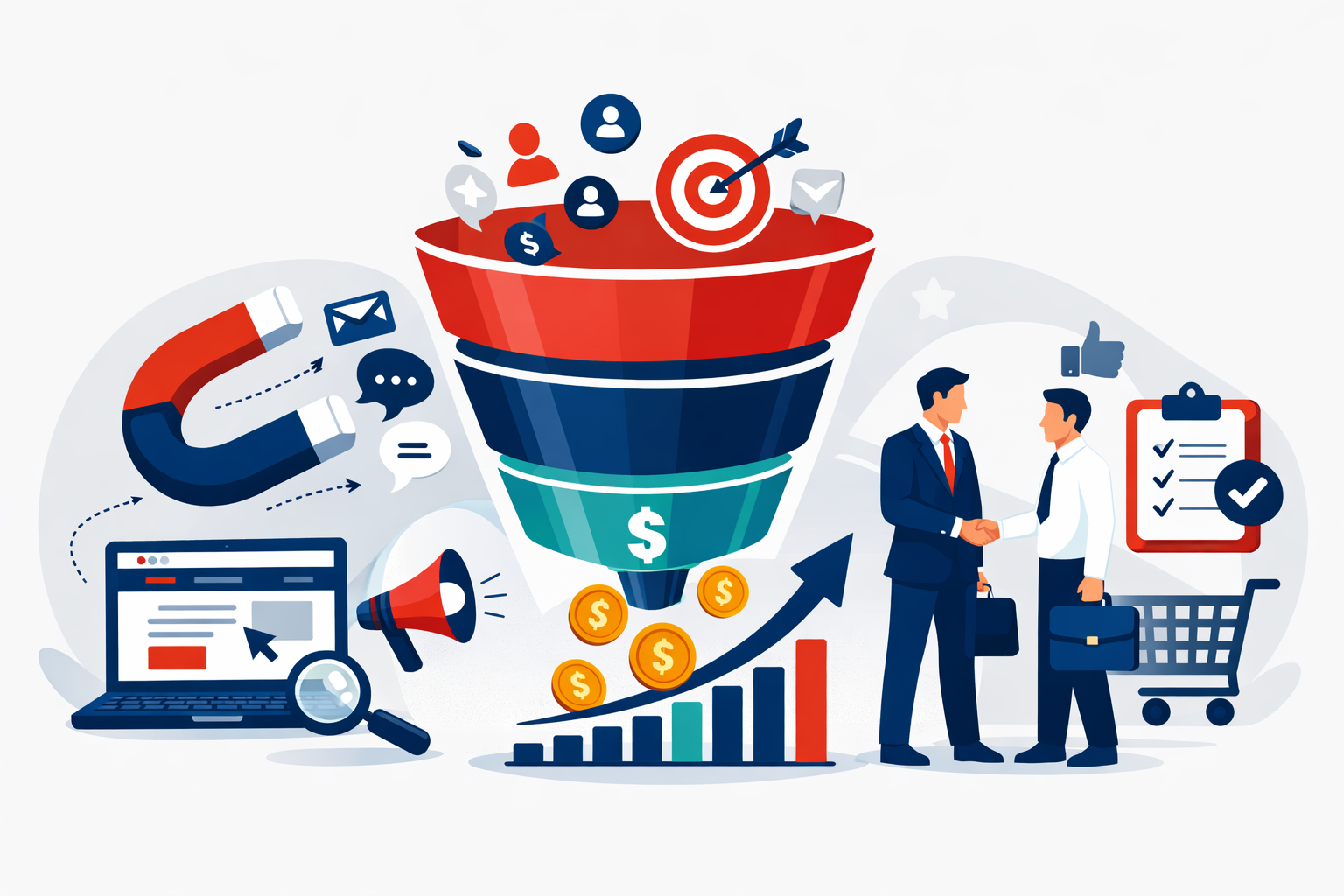
In this guide, we will show you how to build a demand generation plan for HR firms. You will observe how to use webinars, whitepapers, and automated nurture streams to fill your pipeline and maintain your revenue stream steady. At the conclusion of it, you will have a roadmap for obtaining higher-fit clients and minimizing sales cycles, all starting from a discovery session that revolves around your firm’s goals.
Contents
- 1 What Makes Demand Generation Different?
- 2 Step 1: Define Your Ideal Buyer Personas
- 3 Step 2: Create Your Awareness Engine with Content
- 4 Step 3: Use Nurture Flows to Stay Top of Mind
- 5 Step 4: Map Your Content to the Buyer Journey
- 6 Step 5: Measure, Refine, and Repeat
- 7 Case Studies: Demand Generation in Action
- 8 Why Demand Generation Sets Your Sales Team Up for Success
- 9 Final Thoughts: Predictable Growth Begins with Demand Generation
What Makes Demand Generation Different?
Before diving into tactics, it’s worth establishing what makes demand generation its own and required tactic for HR services.
Lead generation tends to be transactional. It’s capturing email addresses with gated content or cold outreach. It can be effective, but it does not necessarily create long-term trust or qualification.
Demand generation, however, is all about educating and building relationships. It brings in leads with value-first content like webinars, guides, and authoritative blog posts. It one-on-ones them. And it directly maps into your sales process, so conversations aren’t as much about convincing as they are about consulting.
This is especially important for HR firms. Your solutions solve hard, high-impact problems like compliance, retention, and workforce strategy. Buyers have questions in mind like why your approach works, how you’re unique, and why they need to make a switch now.
Demand generation planning enables you to be constantly speaking about those needs.
Step 1: Define Your Ideal Buyer Personas
You can’t generate demand for everyone. You need to be specific.
Start with your most valuable customer segments. That means:
- Company size: Firms in the 50- to 500-employee range tend to need to professionalize HR but may not have a full internal staff.
- Industry: Certain verticals, like healthcare, manufacturing, tech, or professional services, have specific compliance needs or high staff turnover.
- Titles: CHROs, HR Directors, CFOs, and business owners all influence or make the HR buy decision.
- Pain points: Engage clients with pain points around compliance risk, growing cost of benefits, poor hiring results, or admin overload.
After determining who you must reach, your messaging, topic, and content channels become easier to choose. All below should be developed with your core personas in mind.
Step 2: Create Your Awareness Engine with Content
Demand generation begins before a lead fills out a form. You need to create awareness and interest way in advance of someone being ready to buy. That means creating high-value, top-of-funnel content that educates your market and makes your company the go-to authority.
Create Educational Whitepapers
Whitepapers are ideal for HR buyers who need research prior to considering a call. They are downloadable assets that lend credibility to your company and allow you to address the common HR pain points in a structured way.
Some good whitepaper titles are:
- “2025 Compliance Checklist for HR Leaders”
- “How to Compare HR Outsourcing Vendors”
- “Cost-Saving Strategies for Group Benefits Renewal”
- “The Future of Hybrid Work: Policy & Culture Guidelines”
Every whitepaper needs to include a brief introduction to the problem, an informative in-depth exploration, and a discreet CTA at the end requesting the reader to delve further.
Gate these behind simple forms, then use your email automation tool to begin engaging the lead.
Host Webinars That Build Authority
Webinars are ideal for HR decision-makers who want to learn but don’t want to invest in a sales process. A good webinar puts your expertise front and center while giving visitors a reason to keep engaging.
Effective webinar formats for HR businesses can be:
- Live panels comprising HR specialists discussing compliance trends
- Workshops on how to evaluate HR technology or software
- Case studies walking the visitor through real HR transformations
- AMA (Ask Me Anything) sessions with your consultants
Webinars need to be promoted 2–3 weeks ahead of time through email and LinkedIn, and follow-up sequences aimed to be aligned with participation by attendees.
Record each session so it is a perennial asset. You can reuse the content into nurture emails, blogs, and social clips.
Step 3: Use Nurture Flows to Stay Top of Mind
Not everyone is ready to talk right away. That’s why smart nurture streams are essential to demand creation for HR businesses.
These email streams trigger after someone has downloaded a guide, registered for a webinar, or engaged with a campaign. Their purpose is to educate, get the lead warm, and figure out when a sales touchpoint will work.
Here’s an example 3-week nurture stream:
Week 1: Send a Thank-You Email
- Summarize what they downloaded or attended
- Include a short video introduction from your team
- Assure them more value is coming
- Highlight how your company solved a similar problem
- Include before-and-after numbers
- Include a soft call-to-action to “See how this could work for you”
Week 3: Offer a Discovery Session
- Frame the session as a strategic consulting meeting
- Highlight what they’ll get: insights, ideas, no sales pitch
- Add link to book on calendar
Keep these emails short and casual. Each one should be individual, not newsletter format. The goal is to transform passive interest into active dialogue.
Step 4: Map Your Content to the Buyer Journey
Your content needs to reflect your buyer’s thought process, from unaware to aware, from interested to intent.
Here’s how you can map that journey:
Stage 1: Awareness
Buyers don’t know they have an issue yet. At this stage, use:
- Industry trend reports
- Blog posts on new HR legislation
- Infographics showing the cost of HR mistakes
Stage 2: Consideration
Buyers see a problem and research potential solutions. Provide:
- Comparison guides (outsourced HR vs. in-house HR)
- Vendor selection checklists
- Case studies by industry or company size
Stage 3: Decision
Buyers are considering vendors. They want evidence. Share:
- Client testimonials
- Pricing guides or ROI calculators
- One-pagers explaining your model of difference
Every bit of content should have a next step clearly specified, whether it’s reading further, downloading, or scheduling time with a consultant.
Step 5: Measure, Refine, and Repeat
Demand generation is not an event that you perform once and then disregard. It’s a learn-up machine with the more you use it. That is developing rudimentary metrics on what works and where to improve.
Track these KPIs:
- Content engagement: Are individuals opening your emails? Downloading your whitepapers? Remaining through webinars?
- Lead-to-MQL conversion: Are leads qualifying themselves by engaging with various touchpoints?
- Pipeline velocity: How rapid are nurtured leads converting into booked meetings and proposals?
- Cost per opportunity: Are your investments in webinars and content generating a positive return?
Use this data to optimize content titles, delivery frequency, and segments of audiences. Let’s say you discover that conversion rates are higher for webinars in the healthcare space, for example. Create a whole vertical campaign directed solely at HR executives in the healthcare space.
This feedback loop on a time basis will enable you to create demand with precision.
Case Studies: Demand Generation in Action
Case Study 1: Benefits Consultancy Grows Pipeline with Webinars
A mid-sized employee benefits firm wanted to reach CFOs at 100–300 employee businesses. They developed a series of monthly webinars on “Cost-Effective Benefits Strategies” and supported the emails with segmented email sequences. In 90 days, they landed 22 meetings, created $600,000 new pipeline, and closed three six-figure deals.
Case Study 2: HR Compliance Firm Uses Whitepaper Series
This firm rolled out a three-piece whitepaper campaign against California labor legislation. Leads were enlightened with data, case studies, and regulatory notices. The campaign realized a 31 percent lead-to-opportunity rate of return and resulted in five multi-location clients.
Case Study 3: PEO Uses Nurture Flow to Re-Activate Dormant Leads
Having garnered hundreds of webinar signups in the last year, this PEO created a nurture flow aimed at those who never scheduled a call. Using personalized emails and a clear CTA for a discovery session, they scheduled 18 re-engagement calls within four weeks, and gained two new customers with annual contracts valued at $180,000 combined.
Why Demand Generation Sets Your Sales Team Up for Success
A strong demand generation program not only generates awareness. It makes sales easier.
Your customer is already informed about what you do, how you solve their problems, and how your business is unique by the time they speak with your salespeople. The end result? Faster sales cycles, improved close percentages, and fewer “just looking” calls.
Most of all, it allows you to build pipeline in a scalable and predictable way. You’re not waiting for word of mouth or the accidental encounter at conferences. You have a process that works as your team is focused on delivering great service.
Final Thoughts: Predictable Growth Begins with Demand Generation
In the HR arena, timing and trust seal deals. Decision-makers don’t buy from the first supplier who zaps them with an email. They buy from the firm that showed up consistently with value, answered their questions ahead of time, and built trust over the long term.
That’s what demand generation does.
It is not flashy. It is not a hack. But it pays off, and when executed correctly, it pays off over and over. With the proper strategy built around content, webinars, nurture flows, and follow-up, you can build a pipeline that fuels consistent growth without relying on outbound exclusively.

Madison Hendrix
Madison has worked in SEO and content writing at Abstrakt for over 5 years and has become a certified lead generation expert through her hours upon hours of research to identify the best possible strategies for companies to grow within our niche industry target audiences. An early adopter of AIO (A.I. Optimization) with many organic search accolades - she brings a unique level of expertise to Abstrakt providing helpful info to all of our core audiences.